

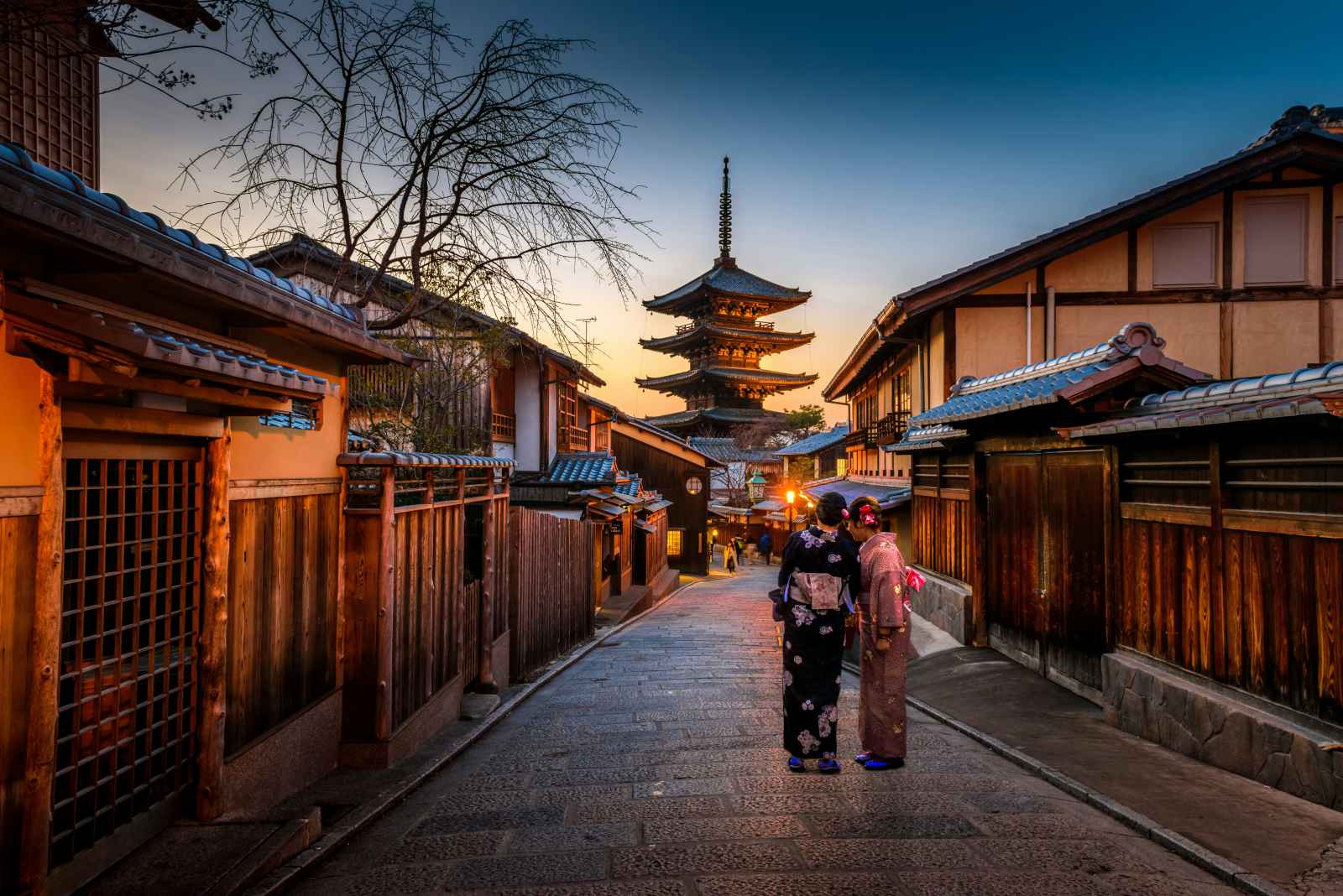
I visited the beautiful city of Kyoto during an incredible three-week trip around Japan. Once the capital of Japan and still its culture capital, you can experience its essence even on a short visit. I’ve put together this 2 day Kyoto itinerary based on my time there. It includes iconic temples, historic geisha districts and the famous bamboo forest, plus cool little bars and restaurants I discovered along the way.
This post may contain affiliate links. That means, if you make a purchase, I may receive a small commission. As an Amazon Associate I earn from qualifying purchases. For more information, read my disclaimer.
Quick overview of your 2 day Kyoto itinerary
- Day 1: Explore the Arashiyama bamboo grove, Nijo Castle and the stunning Golden Pavilion
- Day 2: Walk through Fushimi Inari’s torii gates, explore Kiyomizu-dera Temple and discover Gion’s geisha culture
- Stay in Gion (heart of geisha district), near Kyoto Station or in Kamigyo (quiet residential area)
How to get to Kyoto
Most international visitors arrive at Kansai International Airport near Osaka. From here, it’s about 75 minutes by express train to Kyoto or a 90 minute taxi ride.
If you’re coming from Tokyo, the shinkansen bullet train takes just over two hours and is covered by the JR Pass if you have one. From Osaka, Kyoto is just a 15-minute bullet train journey away. The JR Special Rapid Service is another fast connection, taking just 30 minutes from Osaka Station to Kyoto Station.
Many travellers base themselves in Osaka and take a day trip to Kyoto, though I recommend staying overnight in Kyoto if you can to experience the magical early mornings and atmospheric evenings when day-trippers have left.
Book your airport transfer from Kansai Airport to Kyoto for door-to-door convenience here.
Where to stay in Kyoto
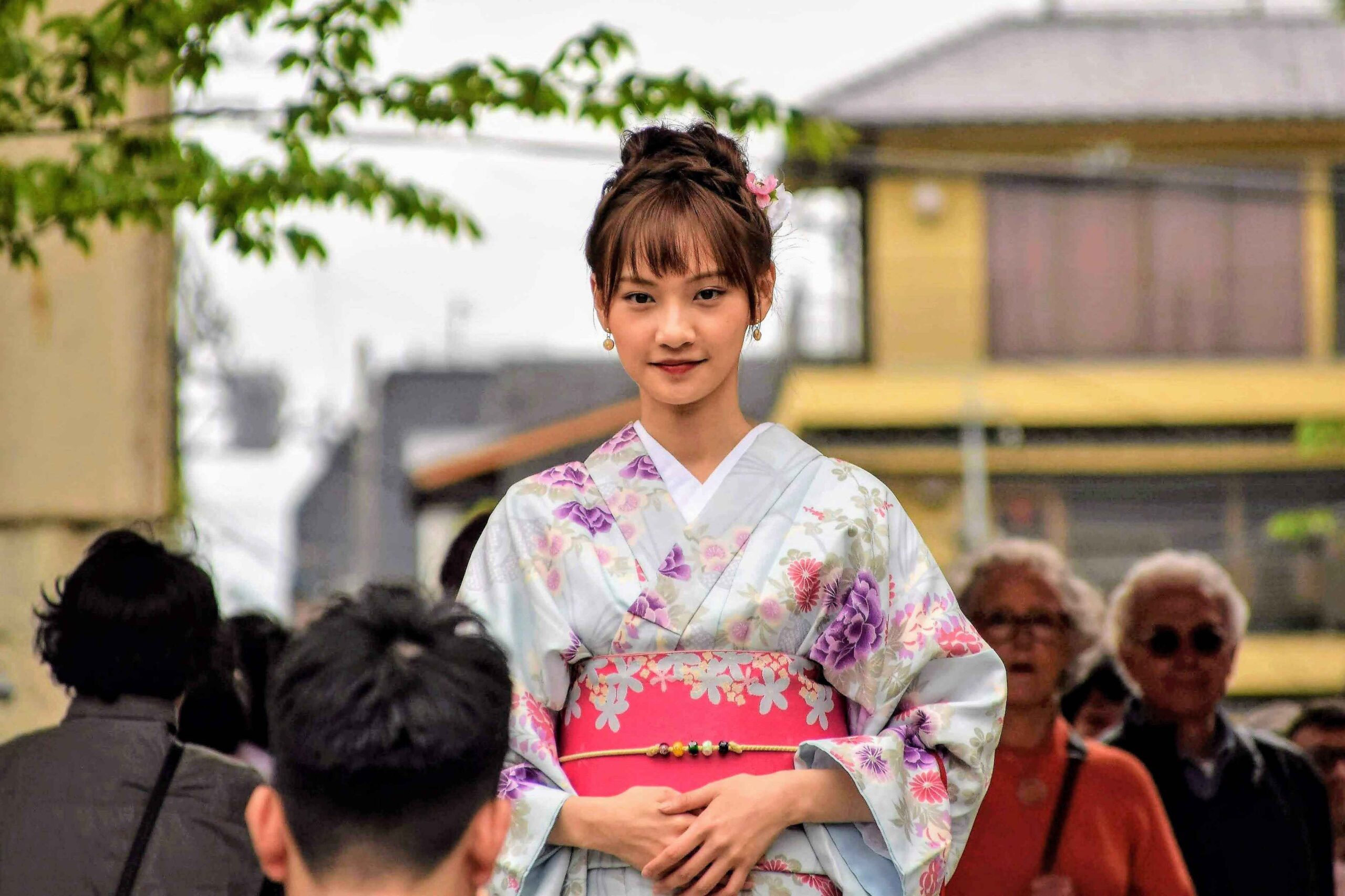
Central Kyoto is quite compact and gives you access to excellent transportation connections, shopping and restaurants. Gion is ideal for visitors wanting to stay in the heart of the geisha district, though it can be expensive. A more affordable area is Kamigyo, close to Nijo Castle – we stayed here and it worked perfectly as a base. Near Kyoto Station is also a convenient place to stay for its transport links. Accommodation in Kyoto fills up quickly during peak tourist seasons, so book early.
The best hotels in Kyoto
In the city centre, you’ll find the fabulous Royal Park Hotel Kyoto Sanjo and Kyoto Granbell Hotel which blend modern comfort with traditional design. Alternatively, there’s the stylish Hotel Resol Kyoto Kawaramachi Sanjo and the splurge-worthy Sowaka, a 100-year-old teahouse transformed into a luxury hotel with impeccable service.
If you’re on a budget, try the affordable and comfortable Uraraka Guest House, where we stayed. For hostels there’s the superb Piece Hostel Sanjo with its spacious modern terrace and Len Kyoto which has stylish dorms and private rooms above an excellent café.
Explore the interactive map below to find the best accommodation deals in Kyoto for your dates:
Planning your 2 day Kyoto itinerary
This 2 day Kyoto itinerary combines what I actually experienced with sights I missed but would definitely go to if I could come back one day. On the first day we head to Arashiyama’s bamboo forest, Nijo Castle and the shimmering Golden Pavilion. Day 2 focuses on more of Kyoto’s iconic shrines and temples, finishing up at the atmospheric Gion geisha district and Pontocho alleys.
Make the most of your time in Kyoto and book this popular guided full-day bus tour of the historical sites.
Day 1: The bamboo forest, a samurai castle and a golden temple
The first day of this 2 day Kyoto itinerary takes you from the otherworldly bamboo groves of Arashiyama to imperial history at Nijo Castle, finishing up at the aptly named Golden Pavilion.
Morning: Arashiyama Bamboo Forest
Start your day by catching a bus or train one hour east to the Arashiyama Bamboo Forest, which you’ll recognise from social media videos. It’s an otherworldly forest of towering green bamboo that you can walk through. My top tip is to go as early as you can, before the tour buses arrive – it’s open 24 hours a day). I say this because we went there mid-morning which is the busiest time! It was still incredible though.
If you prefer a tour, visit Kyoto’s wonderful bamboo forest with a knowledgeable local guide here.
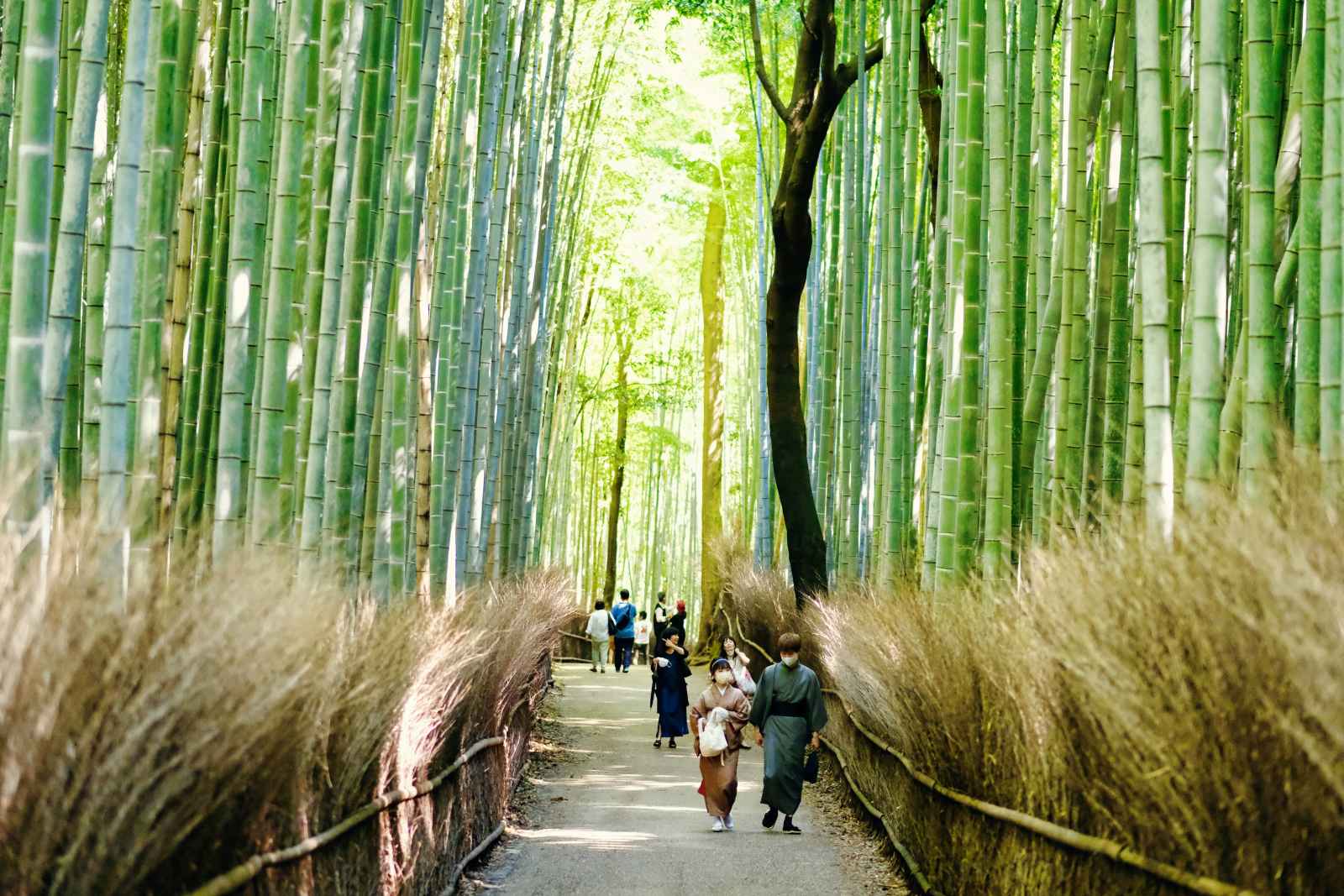
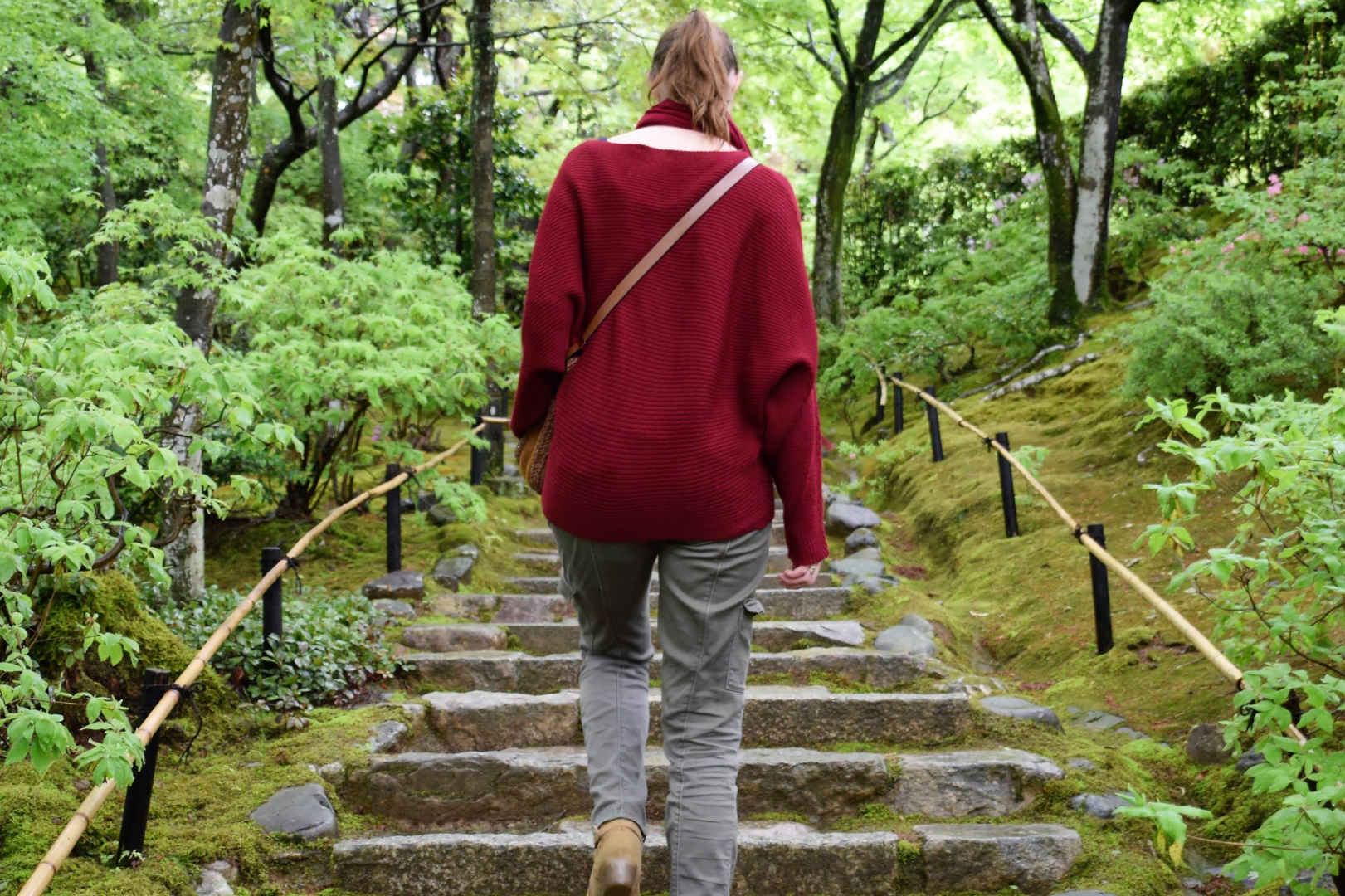
We headed off beyond the main path to find quieter sections, including secluded shrines and mossy pathways where you can enjoy peaceful moments away from the crowds.
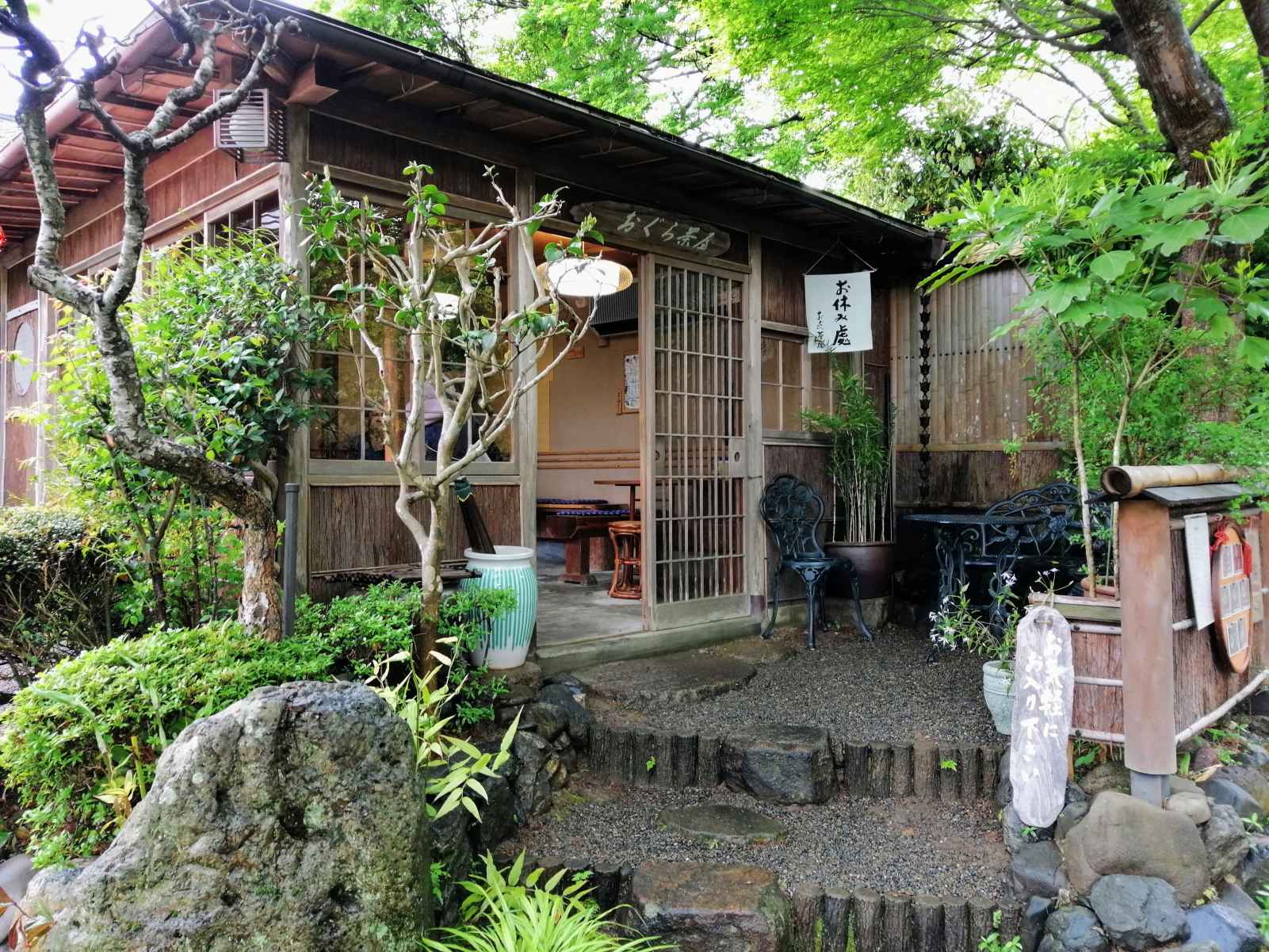
While in Arashiyama, we discovered a quiet family-run restaurant called Ogura Chaya tucked away from the tourist crowds, where you can enjoy delicious udon noodle soup. The area is also known for places specialising in yudofu, tofu hot pot, a simple Kyoto Buddhist speciality.
Late morning: Nijo Castle
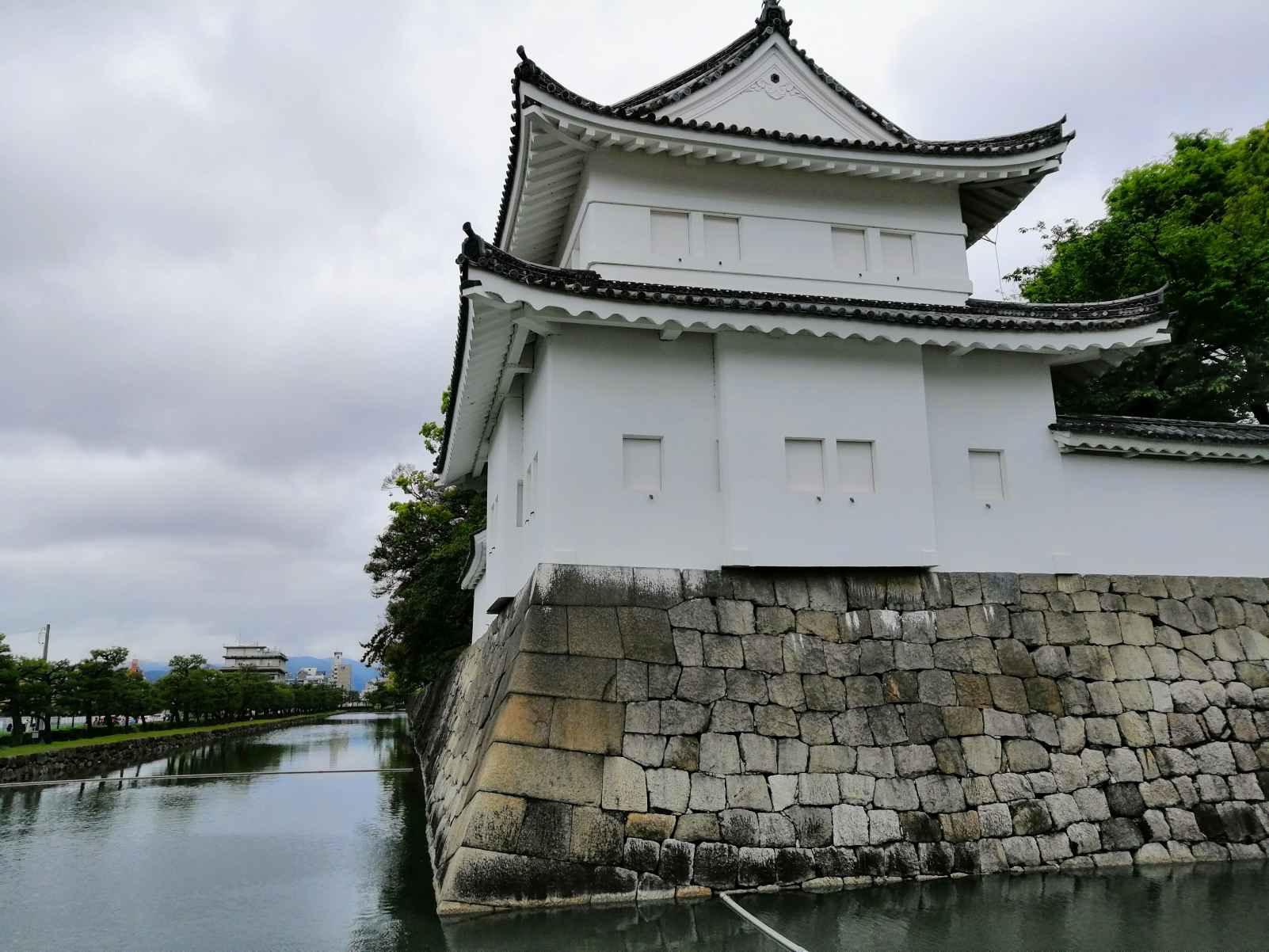
From Arashiyama, head back towards central Kyoto to visit Nijo Castle. Take a bus or train – the journey takes about an hour. Plan to have lunch somewhere near the castle before or after your visit.
This UNESCO World Heritage Site has ornate rooms with stunning gold leaf paintings, beautiful gardens and the famous nightingale floors that squeak when walked upon to warn of ninja intruders.
I loved exploring the castle’s interiors with its painted screens depicting tigers, leopards and landscapes showing the samurai-era craftsmanship.
Book a guided tour of Nijo Castle to understand the feudal power structures of this impressive site here.
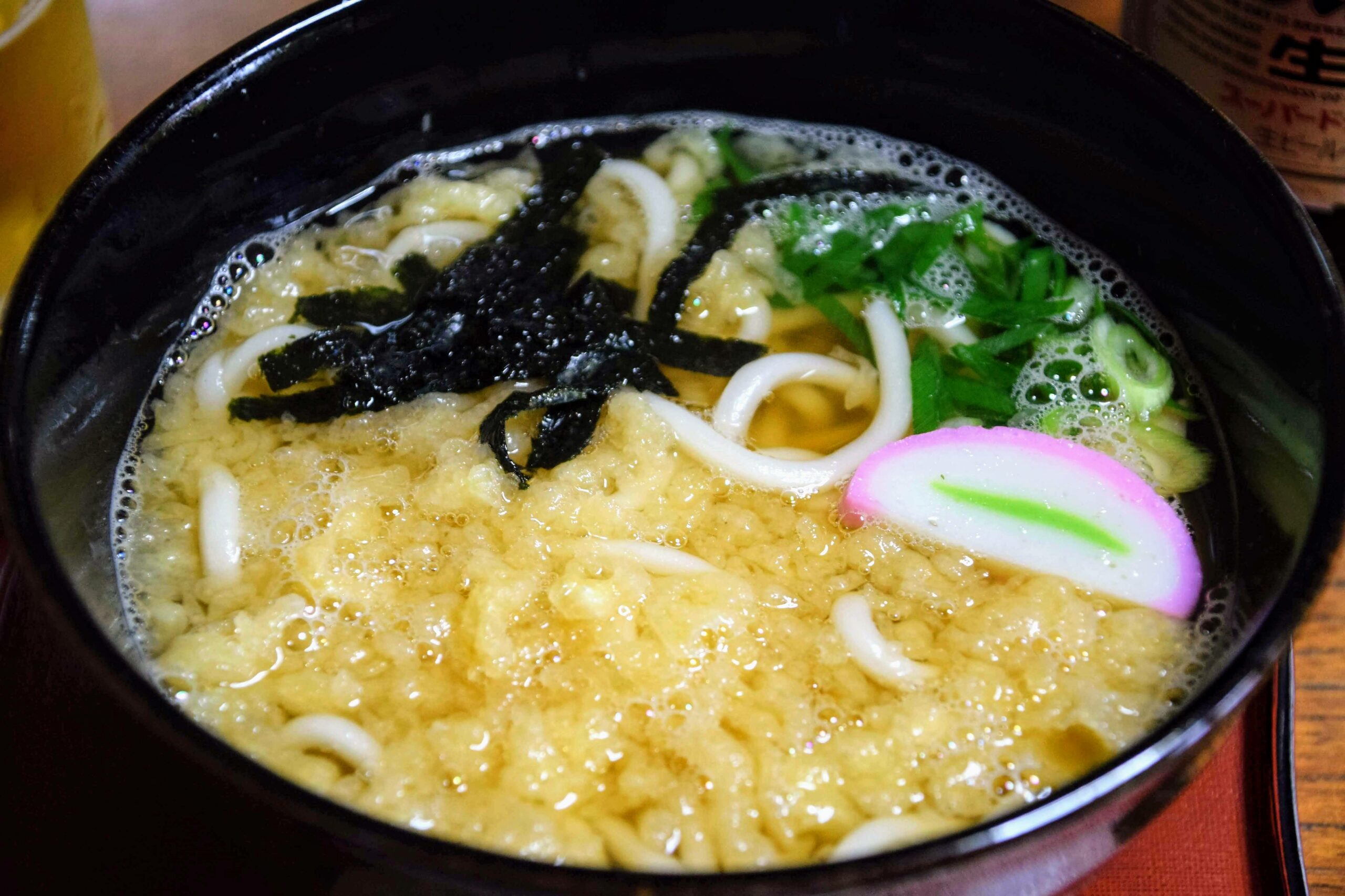
For lunch, try Omen Kodai-ji near the castle for their signature thick udon noodles in seasonal broths, or Honke Owariya, one of Kyoto’s oldest soba restaurants dating back to 1465.
Afternoon: Golden Pavilion (Kinkaku-ji)
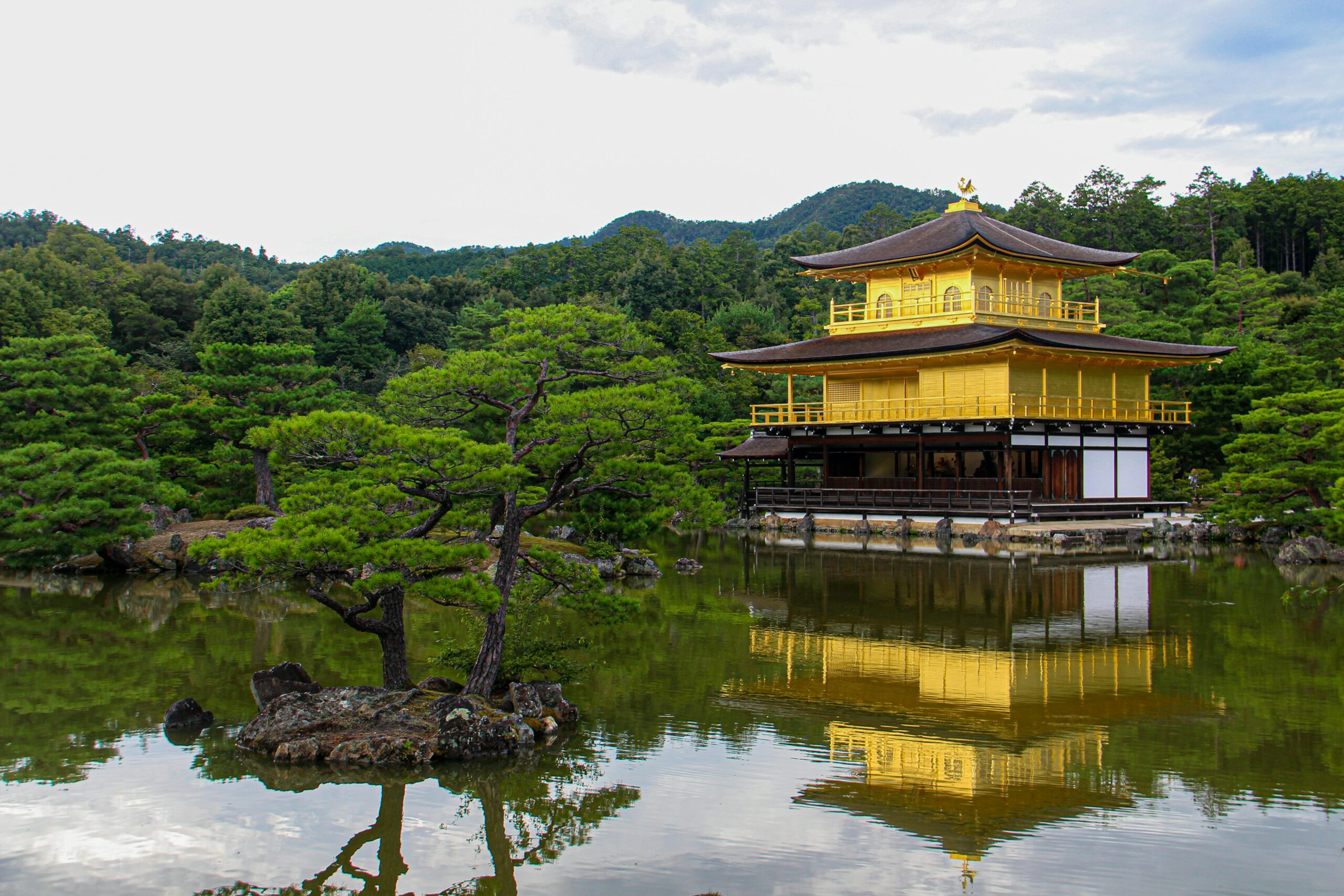
From Nijo Castle, take bus 30 minutes north west to the Golden Pavilion (Kinkaku-ji). The temple’s upper two floors are covered in gold leaf, creating a stunning contrast against the surrounding forest.
The pavilion shimmering on its reflecting pond is breathtaking in the afternoon light – just remember last entry is at 4.30pm and it closes at 5pm.
After a full day of sightseeing, enjoy dinner back in central Kyoto or near your accommodation. Save your energy for tomorrow’s exploration of eastern Kyoto.
Join a guided tour of the Golden Pavilion to learn its fascinating history from a local expert here.
Day 2: Torii gate tunnels and geishas in Gion
The second day of this 2 day Kyoto itinerary explores eastern Kyoto, home to some of Japan’s most iconic sights. Starting at Fushimi Inari in the southeast, you’ll work your way through the historic Higashiyama district, ending your evening in the atmospheric lanes of Gion where geisha still hurry to appointments.
Morning: Fushimi Inari Shrine
You can’t go to Japan without walking through a tunnel of torii gates – and this is the most iconic. Take the train 30 mins south from central Kyoto to Fushimi Inari Taisha, heading there as early as possible to beat the crowds.
This shrine consistently ranks as Kyoto’s number one attraction thanks to its thousands of red torii gates winding up Mount Inari. Most visitors only walk the first section through the main torii gate tunnels, which takes about 30 to 45 minutes. If you have energy and time, continue halfway up the mountain to reveal peaceful forest paths and stunning city views with far fewer people. The shrine is open 24 hours and free to enter.
Join an early morning guided tour of Fushimi Inari if you want expert commentary on this sacred site.

Midday: Kiyomizu-dera Temple
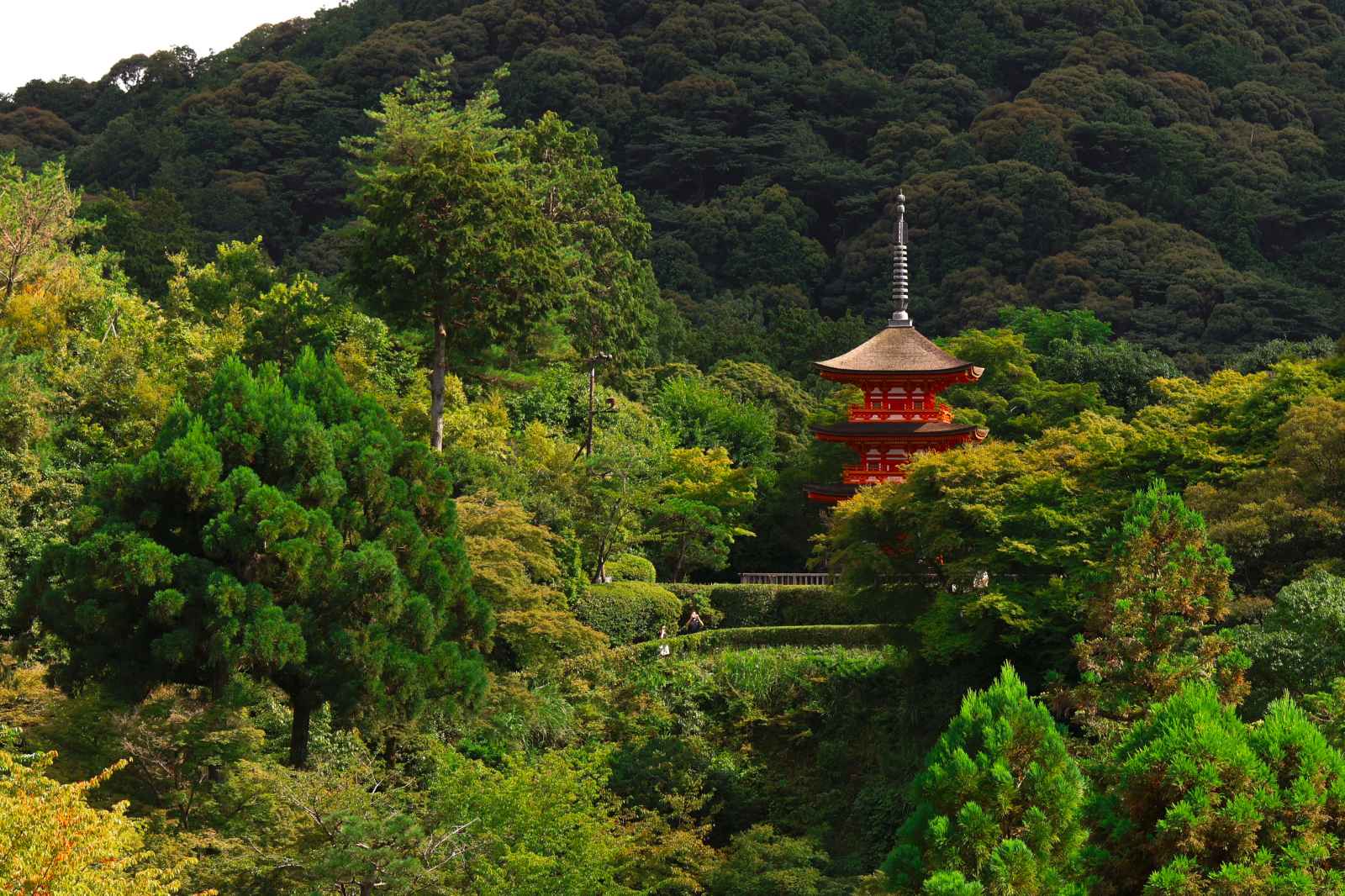
From Fushimi Inari, take the train back north 40 minutes and make your way to Kiyomizu-dera Temple. The temple’s wooden stage juts dramatically from the hillside, creating one of Kyoto’s most recognisable landmarks with panoramic views across the city.
The name of this UNESCO World Heritage Site means pure water, named after the Otowa Waterfall where visitors can drink from three streams said to bring wisdom, health and longevity.
Wind your way down the atmospheric Ninenzaka and Sannenzaka steps. These stone pathways are lined with perfectly preserved machiya, traditional wooden townhouses, now housing teahouses and artisan shops. Look for shops selling Kiyomizu-yaki pottery, a local speciality for over 400 years. This 10 to 15 minute downhill walk through Higashiyama District is a natural, scenic route.
Stop for lunch at one of the traditional restaurants in the Higashiyama area. The district around Kiyomizu-dera has excellent options for yudofu tofu hot pot, soba noodles, and traditional Kyoto cuisine.
Book your place on this discovery tour of Kyoto’s best temples including Kiyomizu-dera.
Afternoon: Yasaka Shrine and Maruyama Park
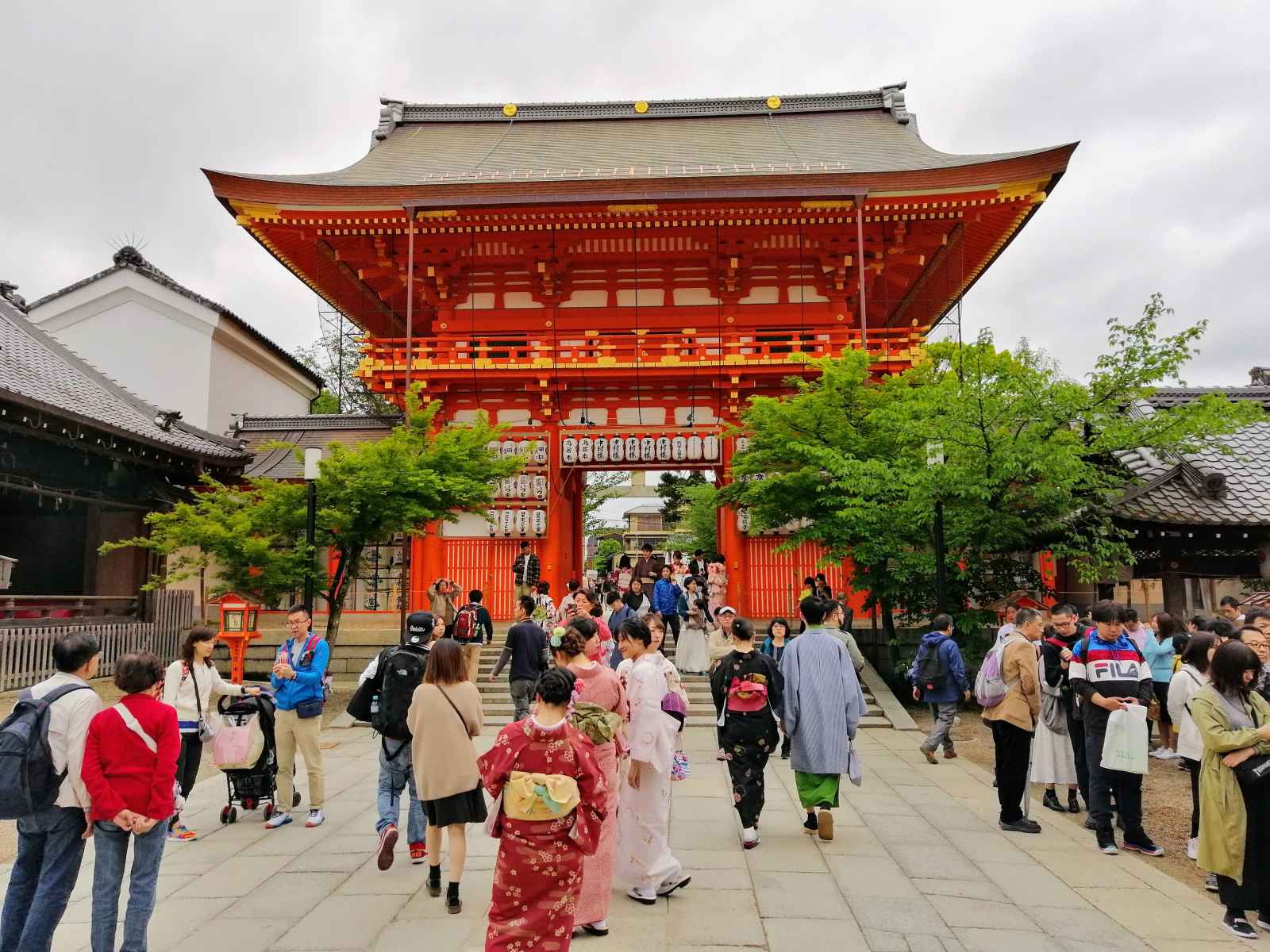
Continue your walk through Higashiyama, heading towards Yasaka Shrine. I visited this colourful shrine which marks the boundary between the Higashiyama and Gion districts and hosts the famous Gion Matsuri, Japan’s most important festival each July, though it maintains a peaceful atmosphere most days.
Adjacent to the shrine is Maruyama Park, which in spring becomes Kyoto’s most famous cherry blossom viewing spot, but remains beautiful year round with mature trees creating peaceful shade.
Evening: Gion District and Pontocho
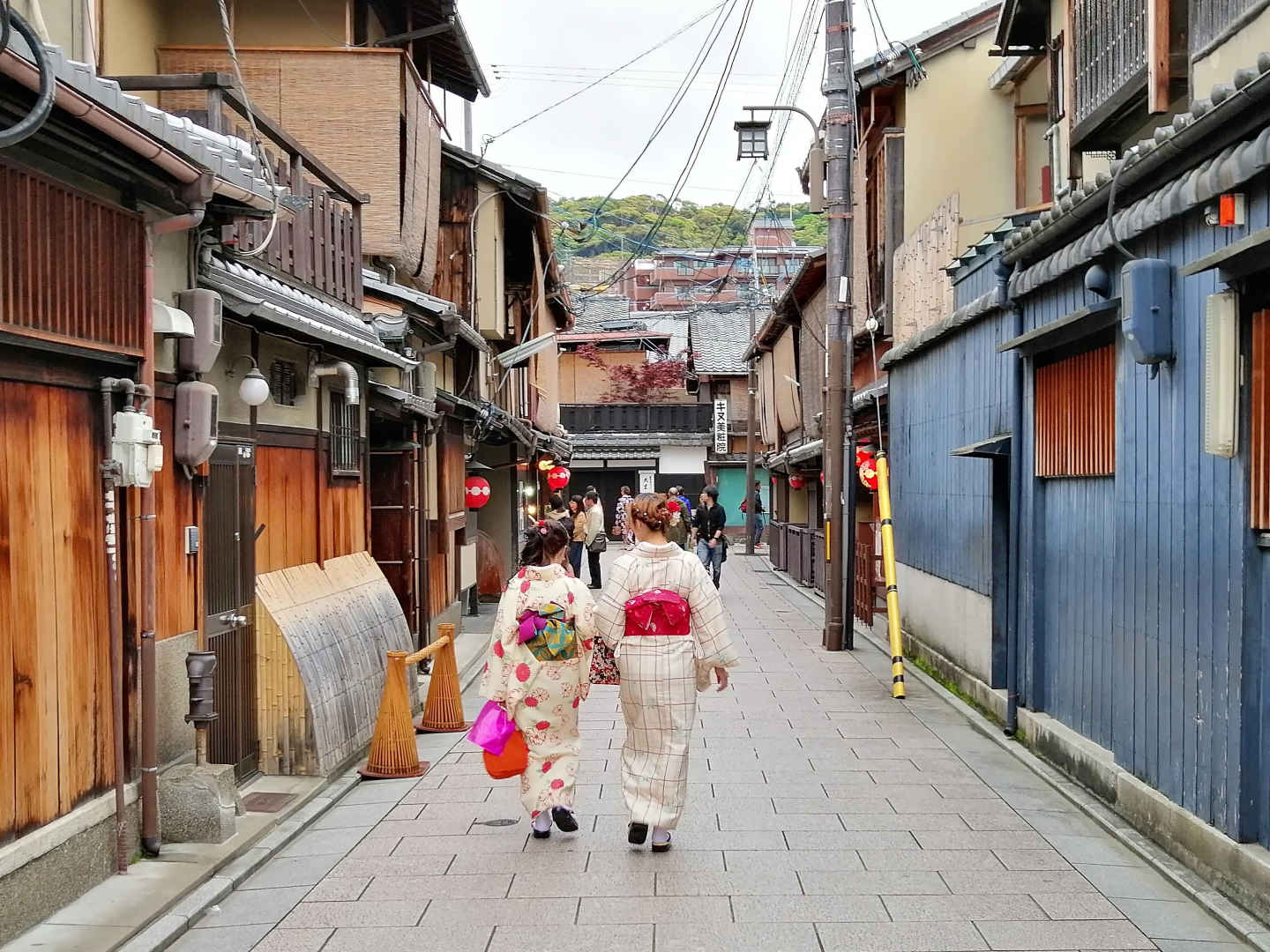
It’s just a couple of minutes on foot from Yasaka Shrine to the Gion district, Kyoto’s most famous geisha neighbourhood and the heart of the city’s geisha culture. Kyoto has a long tradition of being a centre for geisha, the distinctive traditional Japanese female entertainers.
Wander along Hanamikoji Street with its traditional wooden merchant buildings containing preserved ochaya, teahouses where geiko, Kyoto’s geisha, and maiko – apprentice geisha – entertain clients. If you’re lucky, you might glimpse them hurrying to appointments around dusk.
We went to the Gion Corner theatre to watch a performance showcasing a variety of Japanese theatrical arts. It’s a wonderful and educational introduction to traditional Japanese culture.
Don’t miss the popular Gion geisha district and hidden gems walking tour – check it out here.
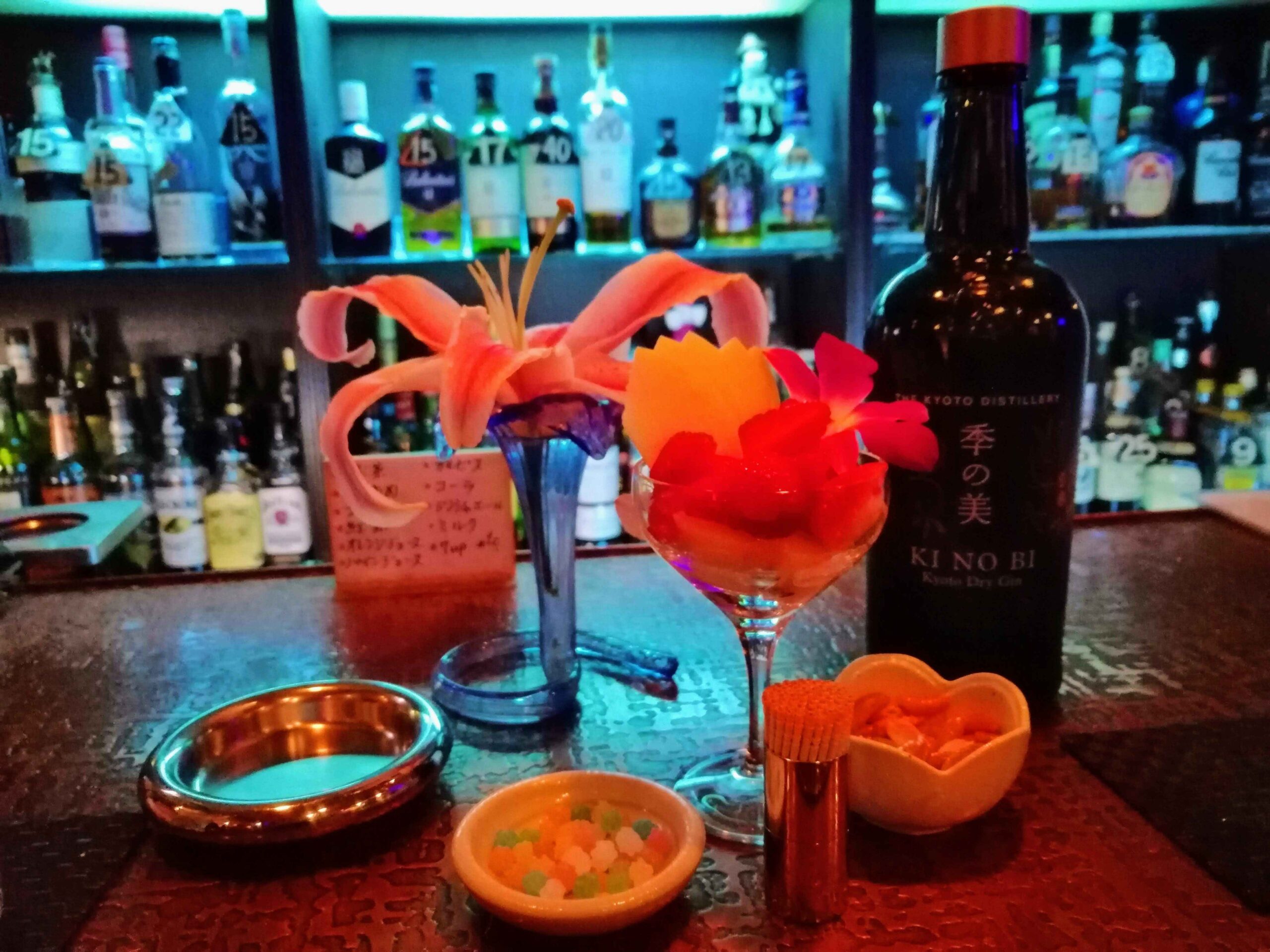
After the theatre, we walked 10 to 15 minutes west over the bridge to Pontocho Alley. This narrow lantern-lit pedestrian path runs parallel to the Kamogawa River. Pontocho Alley is super atmospheric after dark. In its narrow streets, you can discover tiny, moody bars where highly experienced bartenders mix cocktails served with flowers and fruit. We loved Achakocha, a cool and cosy cocktail bar in Pontocho where the friendly bartender creates tasty drinks served with crunchy Japanese snacks.
Experience the nightlife in Gion and Pontocho on this small-group food tour including 13 dishes here.
Frequently asked questions about Kyoto
What is Kyoto famous for?
Kyoto is known as Japan’s cultural heart where ancient traditions continue today. As well as many beautifully preserved Buddhist temples and Shinto shrines, you can experience its centuries-old geisha culture, bamboo groves, kimono craftsmanship and tea ceremony traditions.
When is the best time to visit Kyoto?
The best times to visit Kyoto are during the spring (March to May) and autumn (October to November) seasons, when the weather is comfortable and the scenery is spectacular with cherry blossoms or autumn foliage at their peak. Avoid July and August when the weather can get uncomfortably hot and humid.
Is 2 days enough for Kyoto?
Two days allows you to experience Kyoto’s essential highlights across eastern and western districts. You’ll see iconic temples like Kiyomizu-dera and the Golden Pavilion, explore the atmospheric Gion district, and walk through the famous Arashiyama bamboo grove and torii gates at Fushimi Inari Shrine.
What are the best things to see in Kyoto?
Fushimi Inari Shrine is arguably the number one must-see attraction in Kyoto. Its thousands of torii gates winding up Mount Inari are one of Japan’s the most photographed scenes. However, the Golden Pavilion (Kinkaku-ji) and Kiyomizu-dera Temple are equally iconic.
How is Kyoto different from Tokyo?
Kyoto is Japan’s cultural and spiritual heart, while Tokyo represents its modern, fast-paced future. Kyoto moves at a slower pace with preserved wooden architecture, traditional geisha culture, and over 2,000 temples and shrines. Many visitors find Kyoto more accessible and less overwhelming than Tokyo.
Final thoughts on the best 2 day Kyoto itinerary
Kyoto rewards slow travel. Though this itinerary covers the highlights, leave room for spontaneous discoveries – a hidden shrine, a master craftsman’s workshop, or a local festival might become your most treasured memory.
Following this 2 day Kyoto itinerary, you’ll experience the city’s essential cultural treasures while still having time to wander atmospheric neighborhoods and discover your own favourite corners.
From Nijo Castle’s nightingale floors to the golden shimmer of Kinkaku-ji, from the preserved streets of Gion to the towering bamboo of Arashiyama, you’ll leave with a deep understanding of why Kyoto remains Japan’s cultural heart.
Next up, discover my complete guide to the best 3 week Japan itinerary including Okinawa.