Safaris are expensive and what you see depends on timing and luck. I did a safari trip in both Kenya and Tanzania so was able to see how they compare. A 3 day Masai Mara safari from Nairobi is an accessible way to see the Masai Mara National Reserve, as it’s a simple pickup from your hotel and a few hours of driving into the park. On my trip, we watched lions feeding, witnessed the Great Migration and visited a Masai village on the way home. This review covers what a three day Kenya safari is actually like and whether it’s worth it.
This post may contain affiliate links. That means, if you make a purchase, I may receive a small commission. As an Amazon Associate I earn from qualifying purchases. For more information, read my disclaimer.
Quick overview of a 3 day Masai Mara safari from Nairobi
Day 1: Depart Nairobi early morning and drive 4-5 hours to Masai Mara
Day 2: Early start, full day of game drives
Day 3:Return to Nairobi via a Masai village
Is a 3 day Masai Mara safari from Nairobi right for you?
A 3 day Kenya safari works well if you’re in Nairobi and have limited time or you’re on a budget. Otherwise there are plenty of day trips from Nairobi. It’s also good if – like me – you’re on a longer trip that includes other stops like Tanzania and Zanzibar. You may not enjoy it if long drives exhaust you, as reaching the national park takes several hours.
What it’s like on a group safari
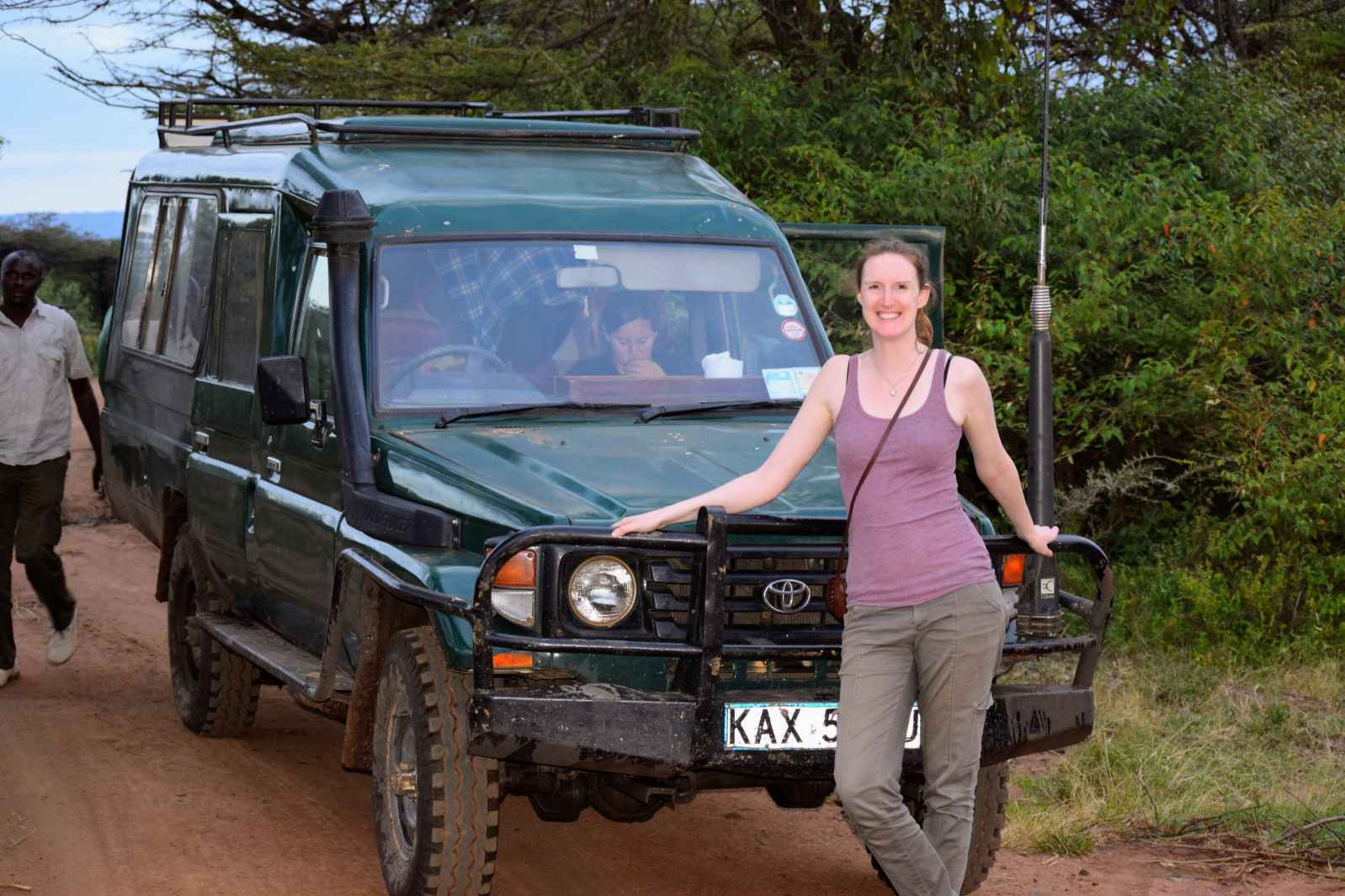
My boyfriend and I joined a group of around 15 travellers from different countries. The shared experience of the long drives, sightings and overnight stays creates an easy camaraderie. If you want to make friends, there’s plenty of opportunity and if you’d rather keep to yourself people are respectful of that too. On our trip, our vehicle broke down once or twice on the uneven roads to the park – we were able to laugh about it as they fixed the issue and it became part of the adventure.
Day 1: Entering the Masai Mara from Nairobi
Your 3 day Kenya safari begins with an 8am pickup from your hotel in Nairobi city centre or Westlands. The drive to Masai Mara takes 5-6 hours with a scenic stop at the Great Rift Valley viewpoint for breathtaking views.
My experience on day 1 – giraffe spotting
Unlike being in a zoo, this is the animals’ land and we were just visiting. There are no fences or barriers. Sometimes the giraffes would just walk around on the road, seemingly undisturbed by the presence of the vehicles.
Day 2: Full day of game drives
The second day of your 3 day Masai Mara safari from Nairobi is dedicated to full-day game drives. As you’ll be in the middle of the park, your main meal will be a packed lunch.
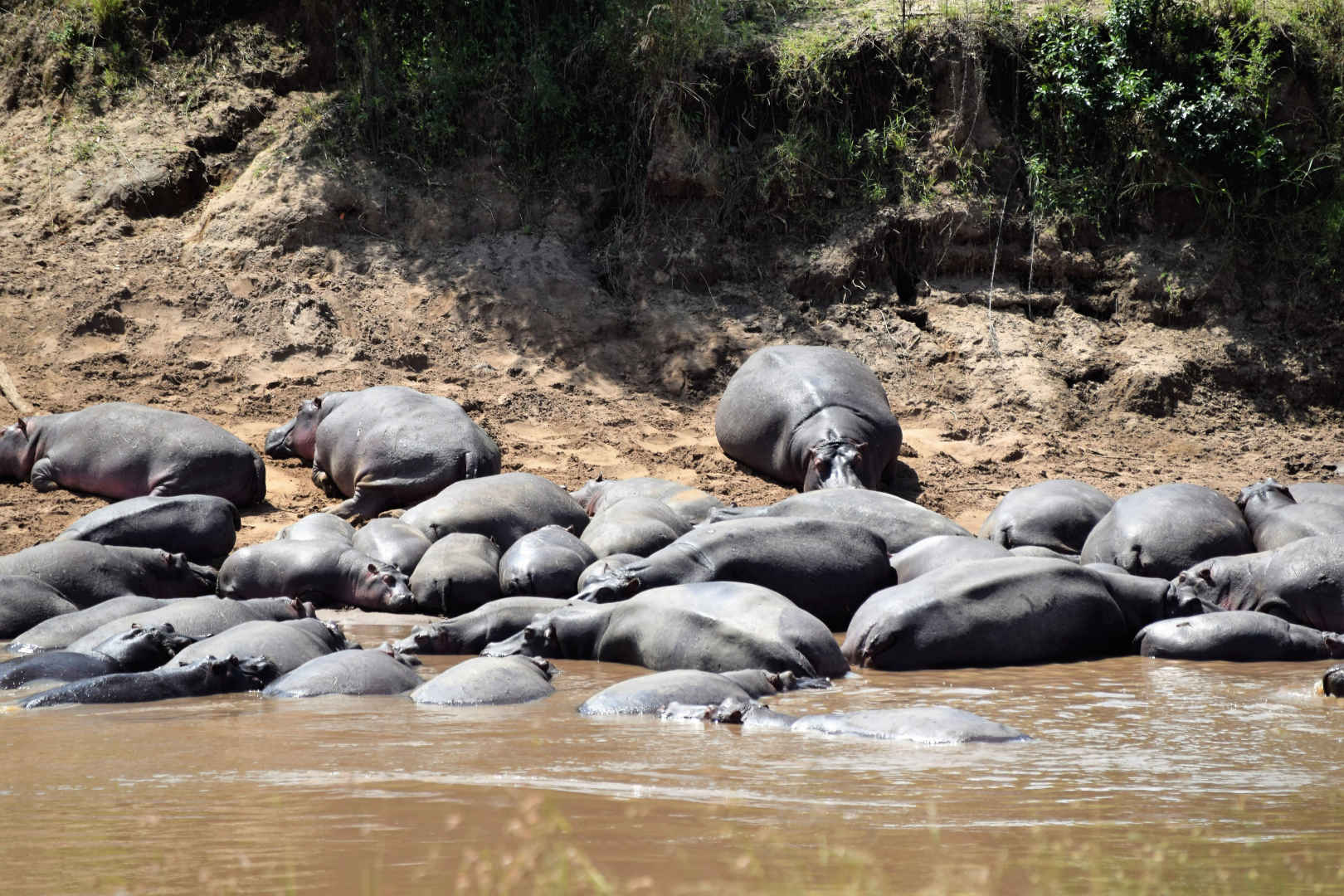
You’ll travel all the way to the Mara River where wildebeest cross from Serengeti into the Masai Mara. All year round there are lots of resident hippos and crocodiles on the banks of the Mara River.
Choose your dates and book your Kenya 3 day safari from Nairobi here.
My experience on day 2 – seeing the big 5 and the Great Migration
The aim is to see the ‘Big Five’ African game animals said to be the most difficult to hunt – the African lion, African elephant, Cape buffalo, African leopard and rhinoceros. We were lucky enough to see all of these on our trip, plus many more creatures than I expected.
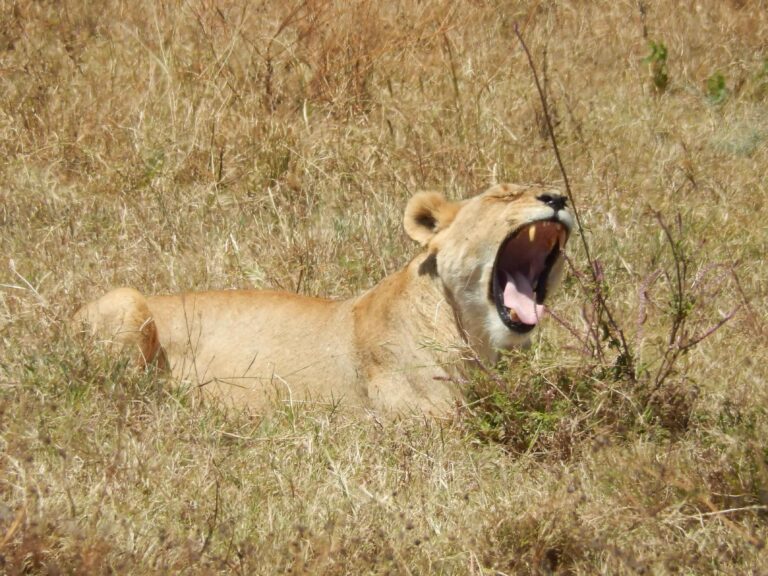
Our full day of safari game drives required a particularly early start, so we could see the animals feeding during sunrise. We were in luck. Some lionesses had just killed a wildebeest, so as the male lion tucked into the feast, the females gathered the lion cubs and the rest of the pride to tuck into their share of the kill.
We were extremely lucky to see the Great Migration during our safari, as we visited in July. Every year between July and October, hoards of zebra, Thomson’s gazelle and wildebeest walk the treacherous 500 mile (800 km) trek from Tanzania to Kenya. Here, they’ll find comfortable places to graze during the dry season. Once the rains begin in November, the migration starts moving south again.
At one point we were surrounded on all sides by these migrating herds during our safari.
On day 2, we also saw birds of prey, colourful lizards, monkeys, pink flamingos, crocodiles, African buffalo, leggy ostriches and enormous hippos on the banks of the Mara River.
Day 3: Masai Village visit and return to Nairobi
On the last day of your 3 day Masai Mara safari you will return to Nairobi. First, there’s a final morning game drive followed by a visit to a Masai village. There are around 840,000 Masai people in Kenya and another 800,000 in Tanzania.
After the village visit, you’ll continue your drive back to Nairobi with a complimentary lunch stop at a traveller’s motel. You’ll typically arrive in Nairobi in the early evening, where you’ll be dropped off at your hotel to conclude your Kenya itinerary.
My experience on day 3 – Masai Mara village
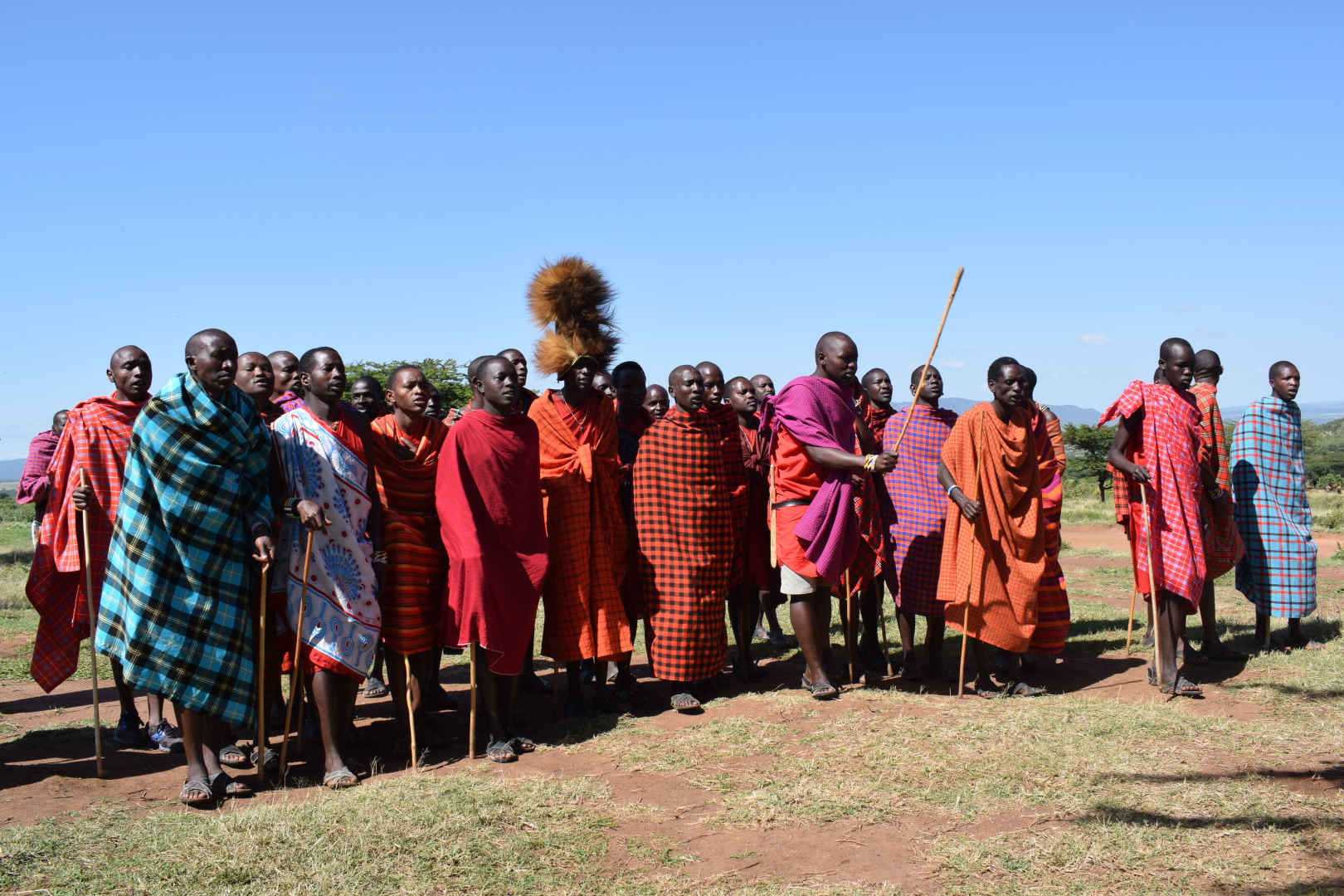
On the final day of our safari, we had an early morning breakfast before checking out. We visited a local Masai village on our way back to Nairobi. The men of the village performed a welcome dance and song for us, before inviting two of the men from our group to join them. Dressing them up in the traditional blankets, with headgear and a stick, the Masai asked the men to jump. Leaping high is seen as a sign of prowess and could help you win the heart of a Masai woman – along with a few cows as payment for her family.
The Masai villagers explained to us their lifestyle, including how every nine years they need to relocate their village because termites attack their mud homes. While the men of the village are usually warriors or farmers, the women raise the children, cook, milk the cows and construct the mud houses, which bake hard in the sun. We were invited into one family’s home, which was pitch black, without any natural or artificial light.
Visit a traditional Masai village and join in their traditional activities on a half-day trip here.
The best time of year to go on a Masai Mara safari
The timing of your safari affects three key factors: costs, weather conditions and your chances of seeing the Great Migration.
Peak season runs from July to December. The main benefit is having the best chance of seeing the Great Migration, but you’ll pay double the park fees ($200 per day, instead of $100 a day in low season) and it’ll be busier.
Off-peak season is from January to June. The advantages include significant savings and fewer crowds. While you’ll still likely enjoy excellent wildlife viewing, you’ll miss the peak Great Migration period during these months. Also, there may be rain, particularly during the long rainy season from March to May. For budget travellers, January and February are a good compromise, balancing drier weather with low season prices.
Packing list for your Kenya itinerary
Pack neutral-coloured clothing in khaki, brown or green shades that blend with the environment. Warm layers are essential for chilly early morning game drives when temperatures drop. Bring comfortable walking shoes for village visits and sandals for relaxing at camp. A sun hat and sunglasses will protect you from the intense African sun.
Don’t forget high SPF sunscreen and insect repellent, as these are expensive to buy at safari camps. A camera with extra batteries and memory cards is crucial for capturing wildlife moments. Pack any personal medications you need, plus a flashlight or headlamp for navigating camp after dark. Wet wipes are essential, as proper washing facilities won’t always be available.
Where to stay in Nairobi before your safari
This safari starts in Kenya’s capital city of Nairobi, where most international flights land. Westlands – north of the city centre – is the best area to stay in Nairobi. It’s safe with easy access to tour pickup points and close to attractions like the Giraffe Center if you have extra time for a day trip from Nairobi.
Explore the map below to find the best accommodation deals in Nairobi for your dates:
Day trips from Nairobi
If you have extra time in Nairobi, why not take a day trip to one of the local highlights.
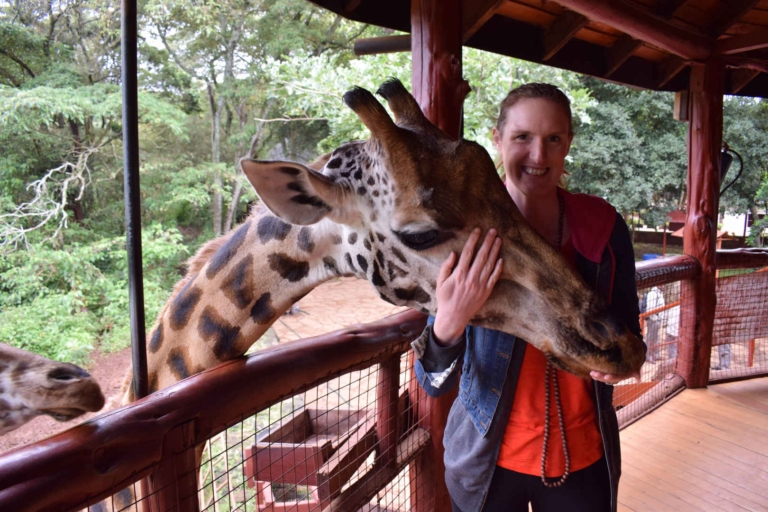
In a day, you can visit the Giraffe Center, where you can meet these long-legged lovelies up close, as well as the Sheldrick Wildlife Trust, which raises orphaned elephants and rhinos.
Is 3 days enough for a Masai Mara safari from Nairobi?
Yes, three days is a good duration. You’ll have time for multiple game drives, spot the Big Five, visit a Masai village, and potentially see the Great Migration if visiting during peak season. Many travellers find 3 days gives an excellent taste of safari life without the expense of longer trips. It’s long enough to see incredible wildlife but short enough to fit most budgets and holiday schedules.
What is the cheapest way to see do a Kenya safari?
The cheapest way to experience Masai Mara is through a 3-day budget group safari during the low season (January-June). This saves you $300 per person on park fees compared to peak season.
What month is the great migration in Kenya?
The Great Migration in Kenya occurs every year between July and October. At this time of year, hoards of zebra, gazelle and wildebeest walk the treacherous 500 mile (800 km) trek from Tanzania to Kenya. Here, they’ll find comfortable places to graze during the dry season. Once the rains begin in November, the migration starts moving south again.
What is the 12 hour rule for Masai Mara?
In 2026, the Masai Mara park authorities have changed the times that your park entrance ticket is valid for each day. Most gates now enforce a 12-hour ticket (6am to 6pm) rather than a 24-hour ticket.
Final thoughts on this 3 day Masai Mara safari from Nairobi
My 3 day Masai Mara safari from Nairobi exceeded my expectations. The starts are early, drives are long and there’s no guarantee you’ll see all of the Big Five.
But when you’re immersed in the Great Migration, or watching a lion pride feed twenty metres from your vehicle, it’s hard to feel anything other than grateful.
I loved visiting the Masai Village and learning more about their lifestyle. Worth every early alarm.
Zanzibar is often marketed as a post-safari beach extension, but how many days should you actually spend there? I found…
This website uses cookies to improve your experience. You can opt out if you wish. Cookie settingsACCEPT
Privacy & Cookies Policy
Privacy Overview
This website uses cookies to improve your experience while you navigate it. Some cookies are categorised as necessary and these are stored on your browser, as they are essential for the basic functionalities of the website.
Other third-party cookies are used to analyse and understand how you use this website. These cookies will only be stored in your browser with your consent and you have the option to opt out. However, opting out of some of these cookies may affect your browsing experience.
Necessary cookies are absolutely essential for the website to function properly. This category only includes cookies that ensures basic functionalities and security features of the website. These cookies do not store any personal information.
Any cookies that may not be particularly necessary for the website to function and is used specifically to collect user personal data via analytics, ads, other embedded contents are termed as non-necessary cookies. It is mandatory to procure user consent prior to running these cookies on your website.