Is Tavira Worth Visiting in the Algarve? (2026)
The town of Tavira sits in Portugal‘s eastern Algarve, slightly removed from the region’s more popular beach towns, and is known as a quieter, more traditional alternative. But is it worth the detour? I spent four days here as part of a Portugal itinerary, and this guide gives you my honest answer to the question: is Tavira worth visiting?
This post may contain affiliate links. That means, if you make a purchase, I may receive a small commission. As an Amazon Associate I earn from qualifying purchases. For more information, read my disclaimer.
Is Tavira worth visiting on your trip? A quick overview
- Tavira suits travellers who want to explore a town on foot, rather than staying in a resort
- Its beaches are quieter and more natural than elsewhere in the Algarve – ideal if you like space rather than crowded rows of sunbeds
- There’s history and architecture here, including Moorish ruins, azulejo-tiled streets and a medieval castle
- Nightlife is minimal, with a few bars and occasional live music rather than a party scene
- It works well as a standalone destination for 3-4 days, or as part of a wider Portugal or Algarve itinerary
- Less suited to trips built around beach clubs, waterparks or late-night energy
Is Tavira worth visiting?
Yes, Tavira is worth visiting if you want a slower pace, quieter beaches and a town you can explore on foot. It has a more traditional feel than much of the Algarve, with a compact historic centre and easy access to long, undeveloped barrier island beaches.
It makes less sense if your trip is focused on dramatic coastline, beach clubs or nightlife. In that case, towns in the western Algarve are a better fit.
What is Tavira known for?
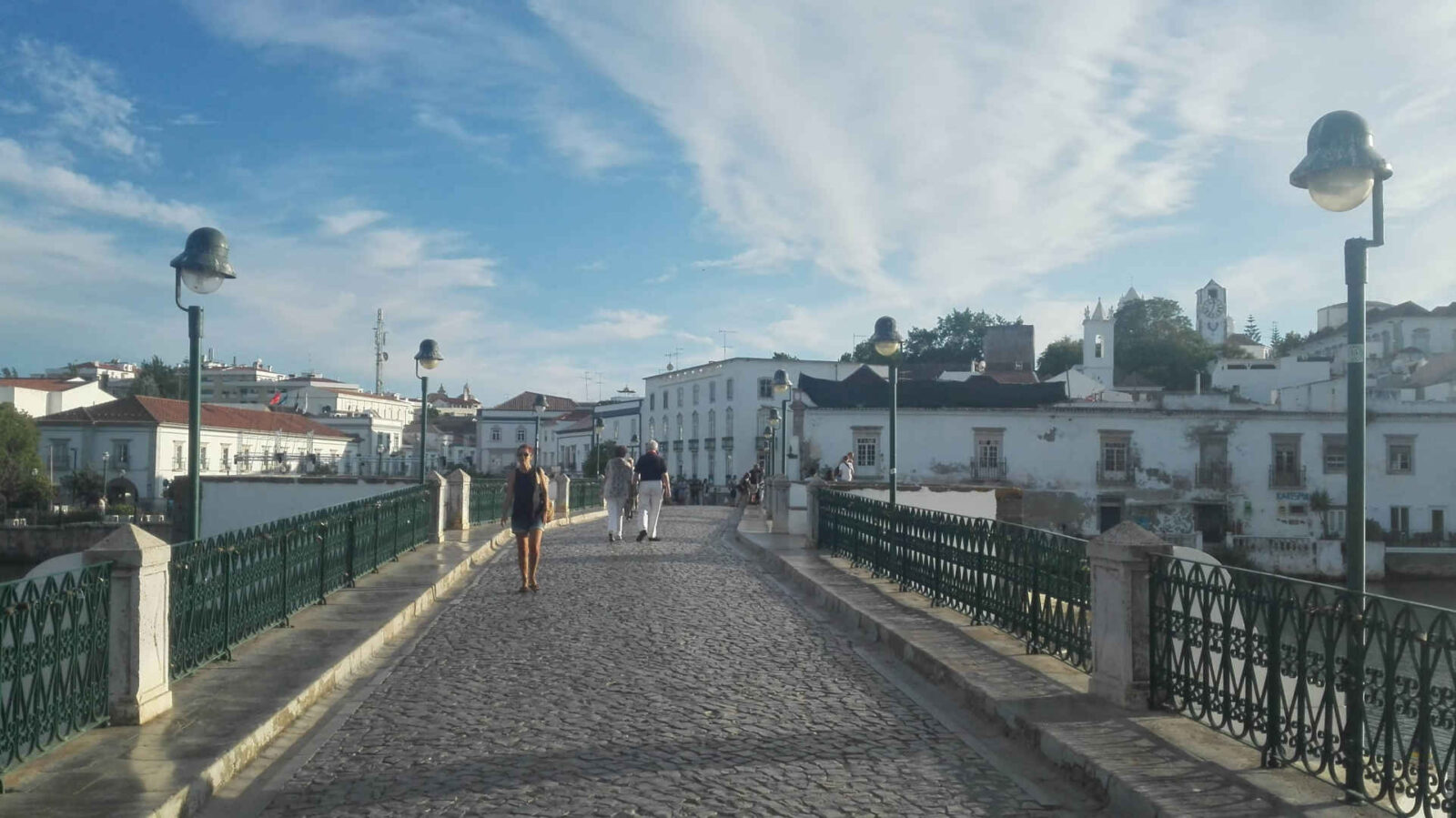
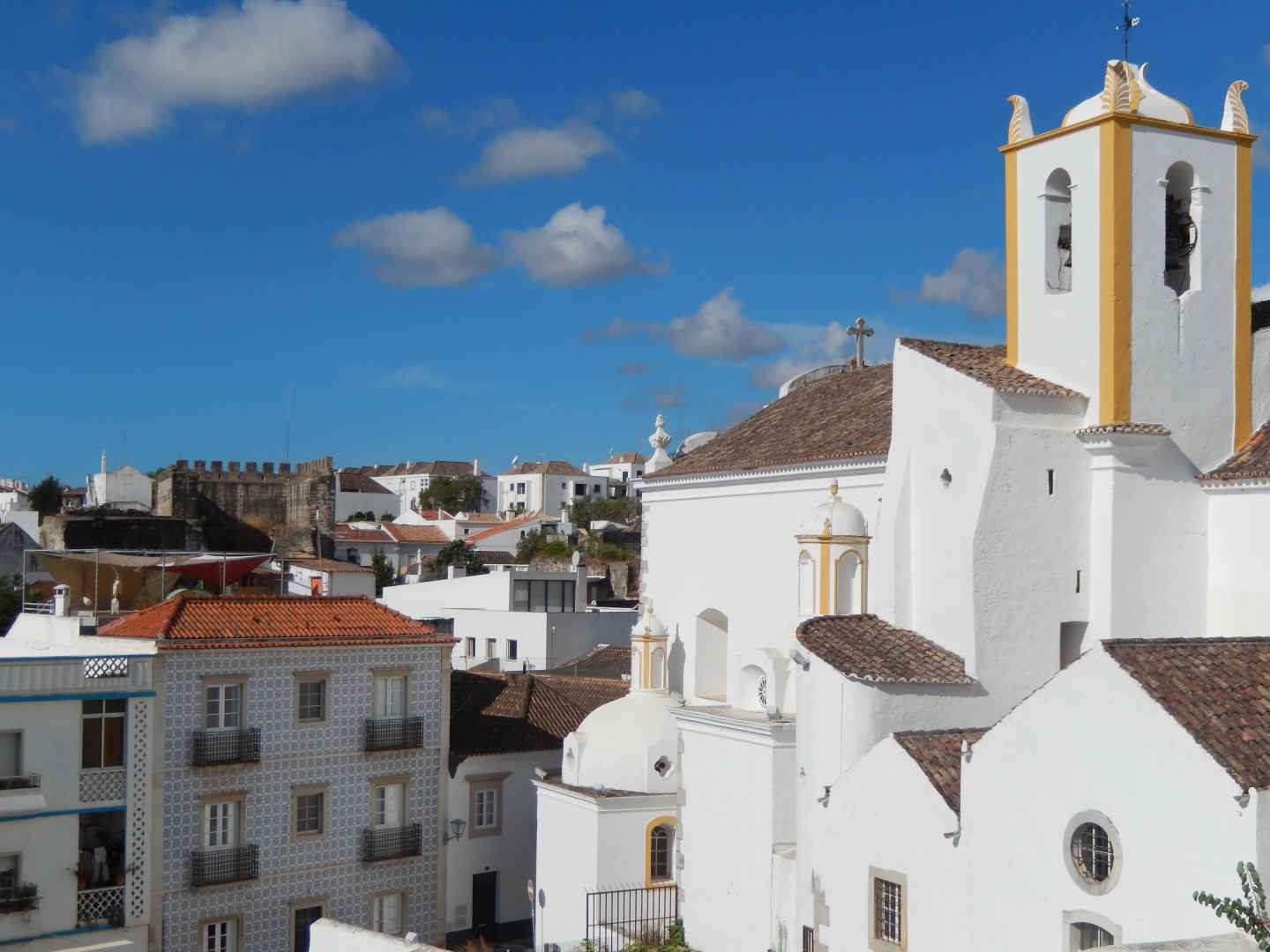
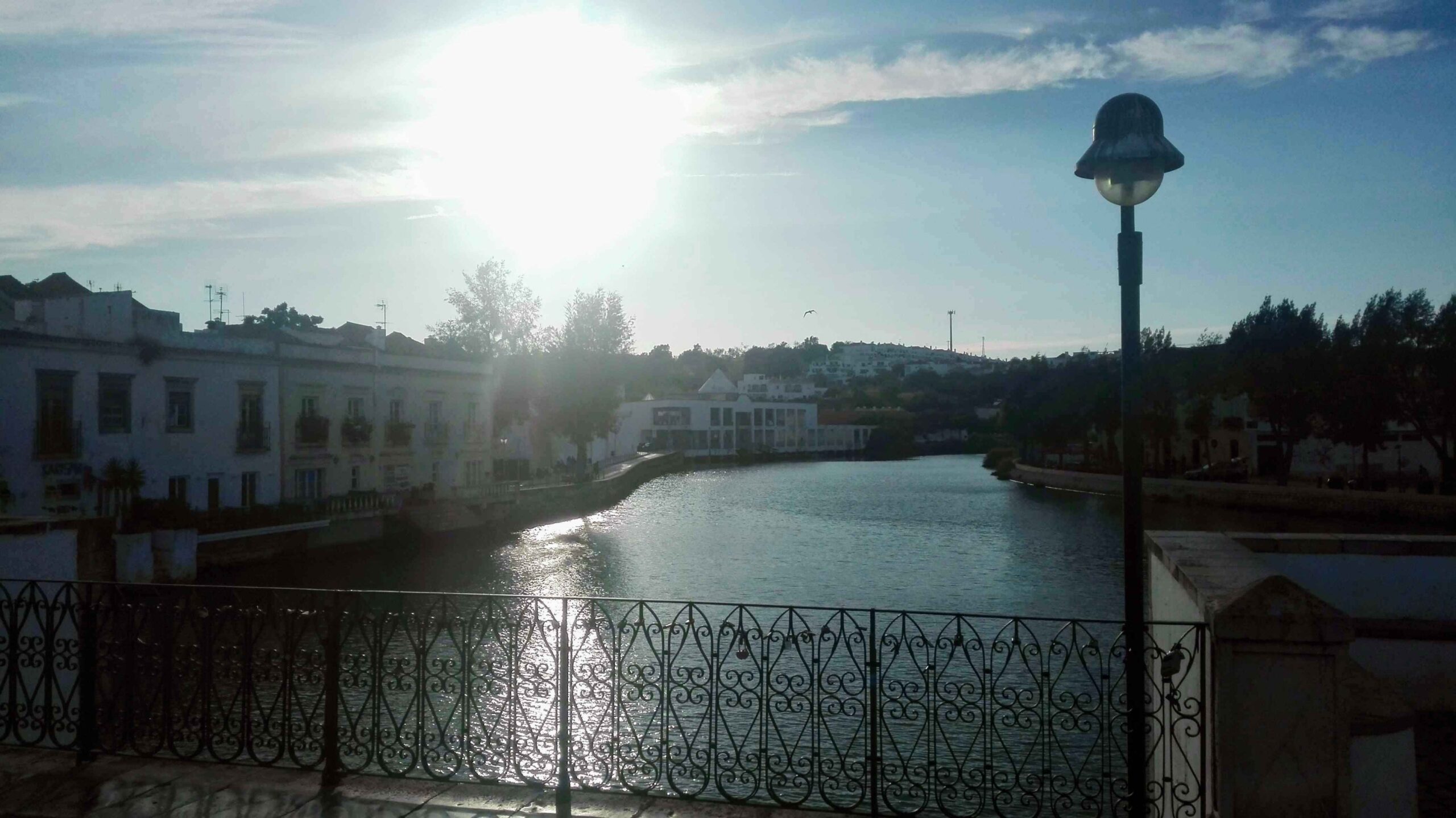
Tavira is known for its historic centre, shaped by Moorish influence, with tiled facades and distinctive rooflines. The Gilão River runs through the middle of town, with a central bridge linking both sides and giving it a different feel to the Algarve’s coastal resorts.
It’s also a gateway to the Ria Formosa Natural Park, with access to long barrier island beaches such as Ilha de Tavira.
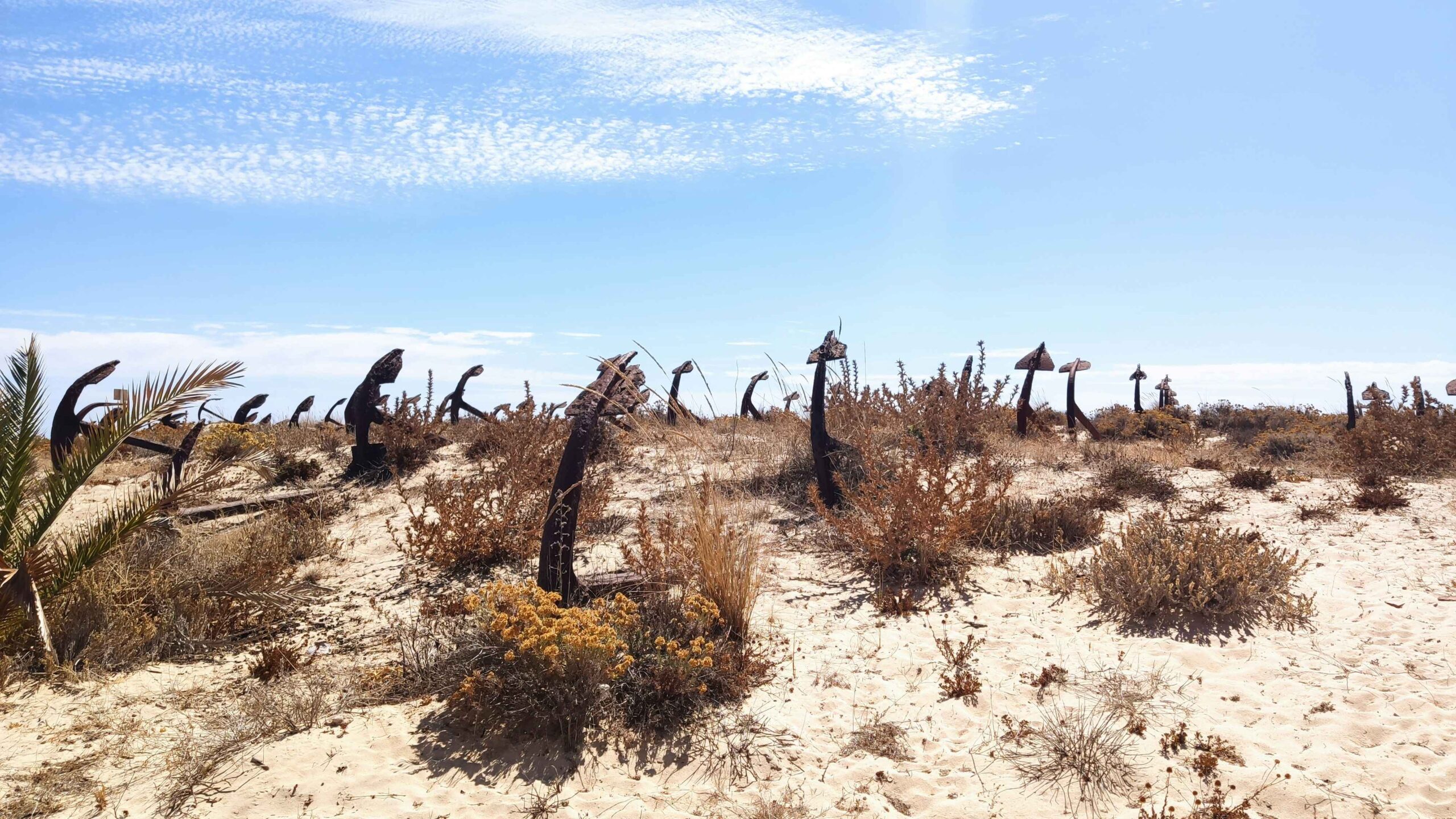
Beyond that, Tavira has a handful of sights, including the anchor cemetery at Praia do Barril, which reflects its tuna fishing past, and a camera obscura installation overlooking the town.
Things to do in Tavira
Tavira isn’t a place built around a long list of attractions. I found that most of what you do here is simple: walking through the historic centre, crossing the river and taking the ferry out to the barrier island beaches. There are a few sights including the castle ruins, the camera obscura and the anchor cemetery at Praia do Barril. However, Tavira works best when you keep your schedule light and use it as a base to slow down.
Admire the Moorish architecture
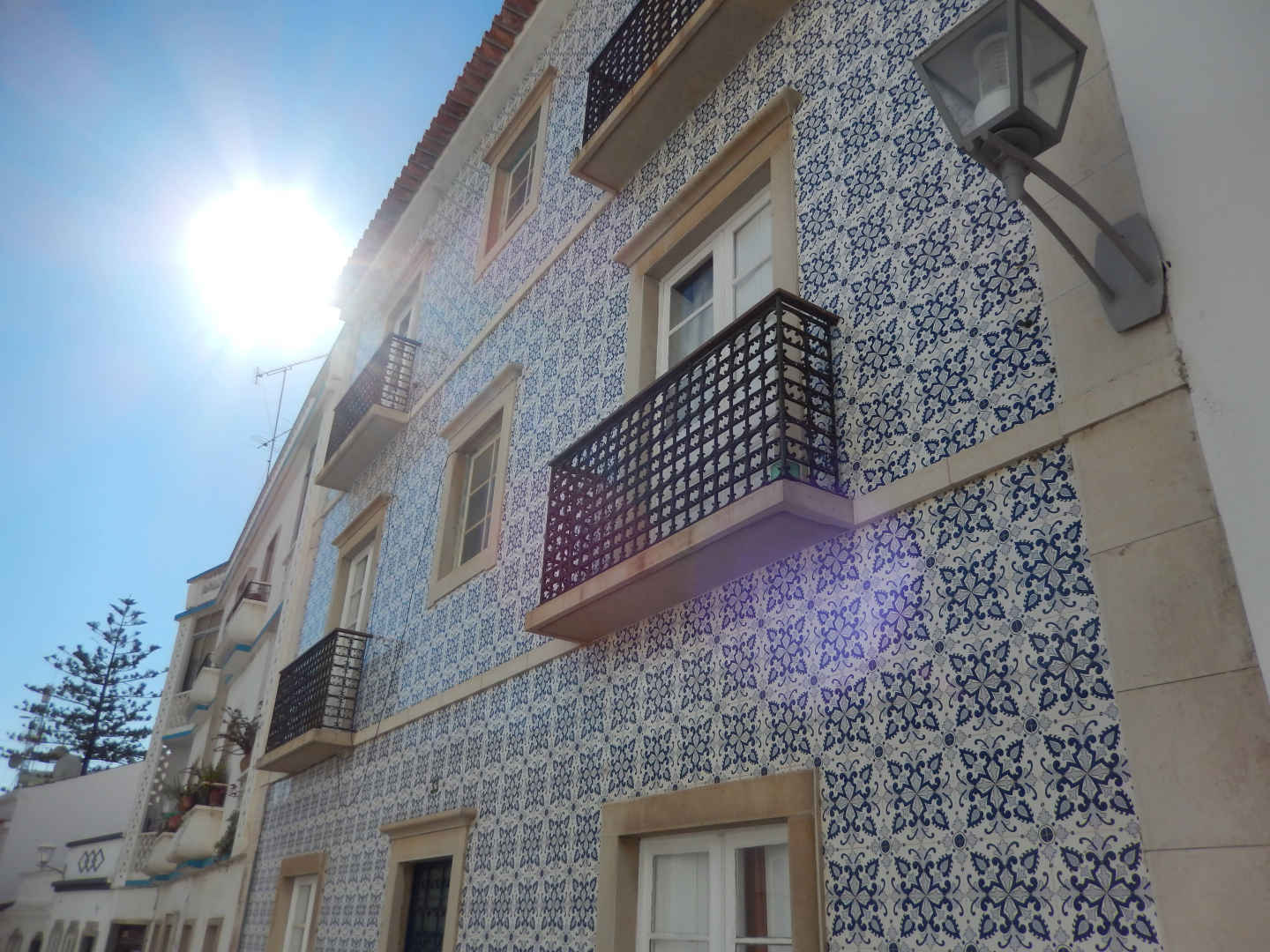
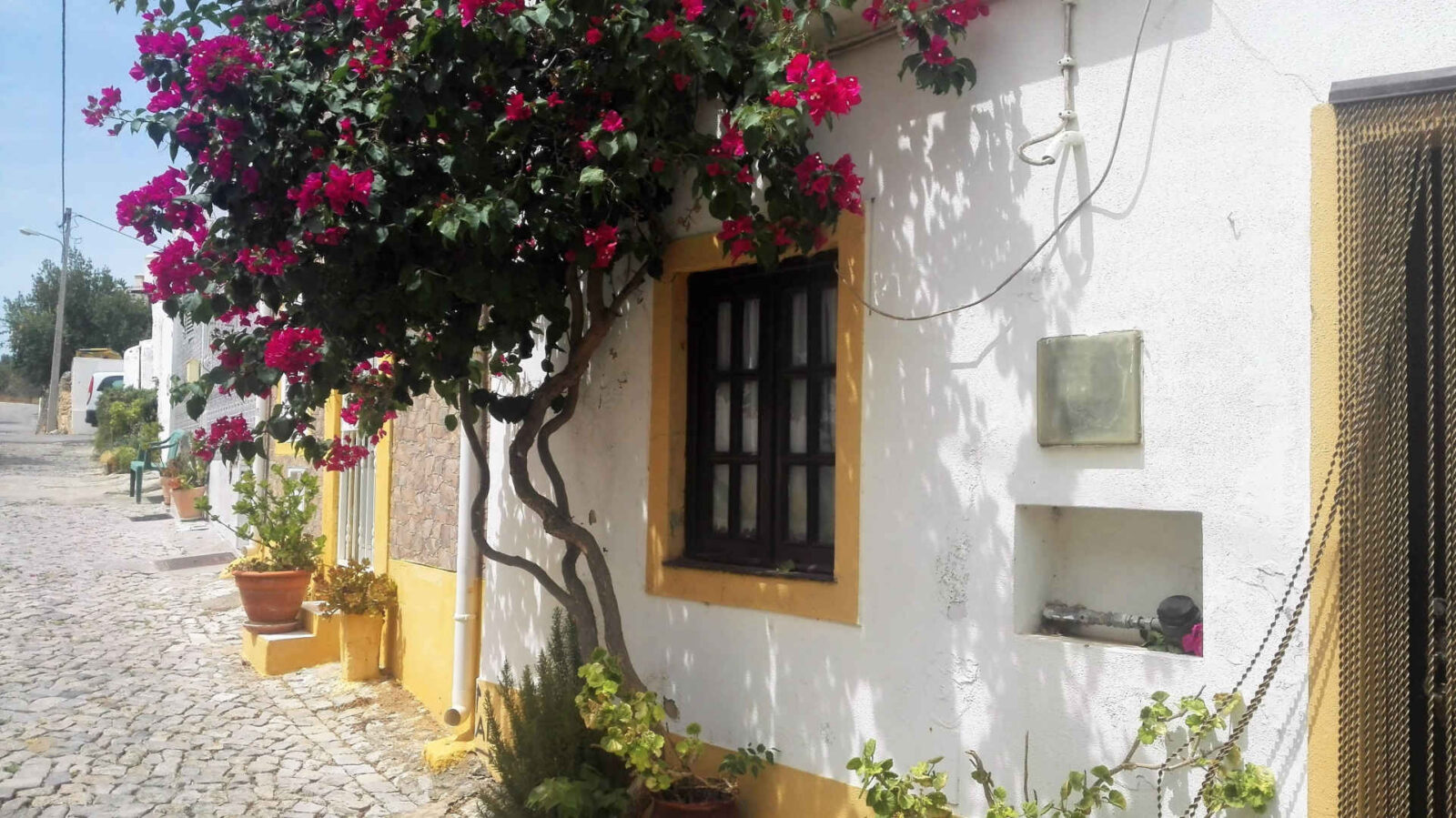
Tavira was occupied by the Moors for five centuries and its name comes from the Arabic Tabira, meaning ‘the hidden’. You can see the ancient Moorish influence in the style of the town’s buildings. Colourful painted ceramic tiles adorn buildings across the region. Known as azulejos, named after the Arabic for ‘polished stone’, they were inspired by Roman mosaics and Persian geometric patterns. The Portuguese adopted the Moorish tradition of using them to cover the walls of buildings. The historic centre is small, so it’s easy to explore on foot without a plan.
If you want more context, a guided walk can help explain what you’re seeing.
Look into the Camera Obscura
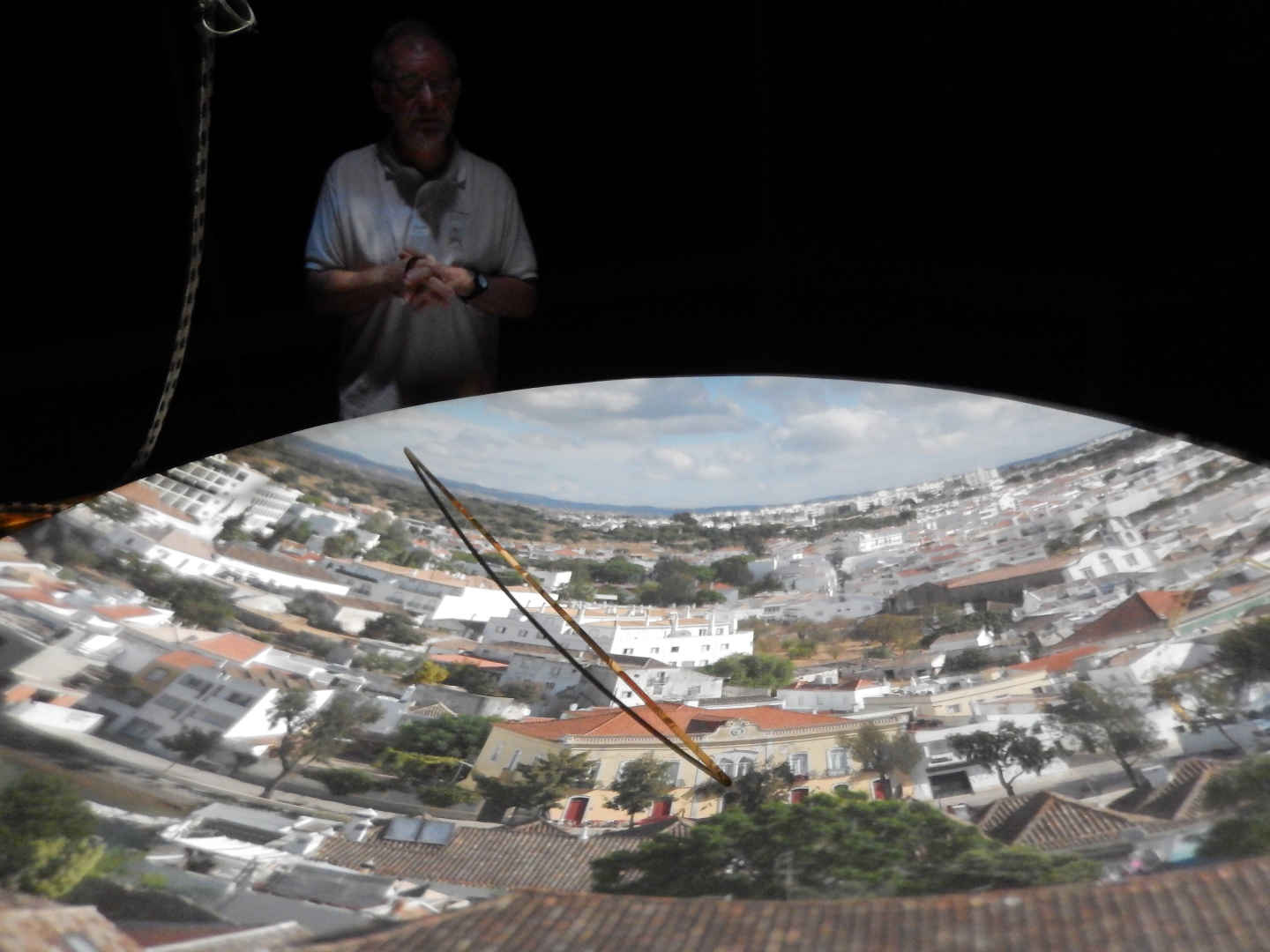
I visited Tavira’s camera obscura, which is set inside a former water tower. It projects a live, 360-degree view of the town using mirrors and lenses. A short guided session walks you through what you’re seeing as the image moves across the screen in real time.
It’s a small, intimate experience that gives you a clear overview of Tavira’s layout. It’s a useful as a way to get your bearings, so better to do at the start of your trip rather than the end, like I did
Enjoy the views from the Tavira Castle ruins
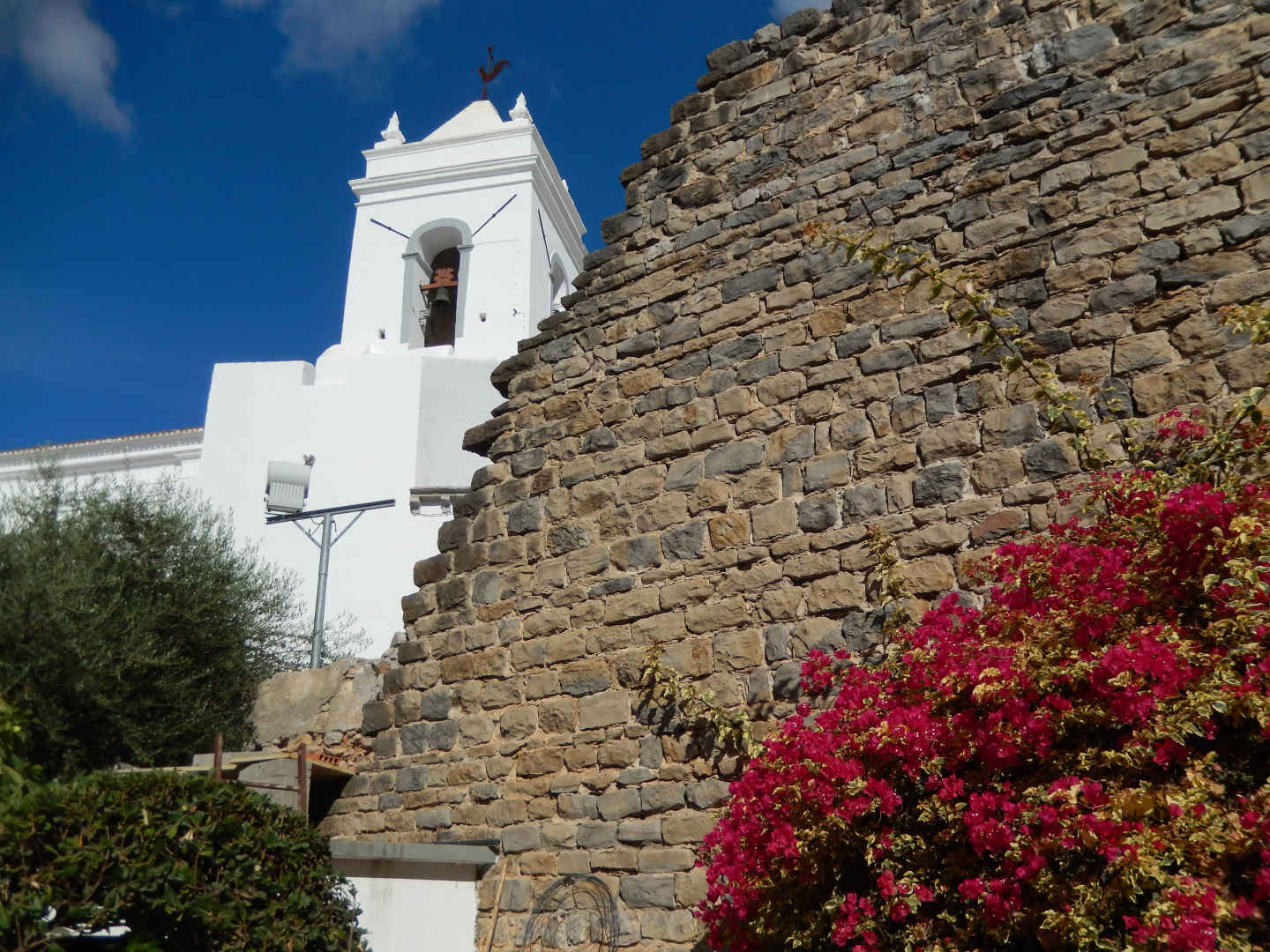
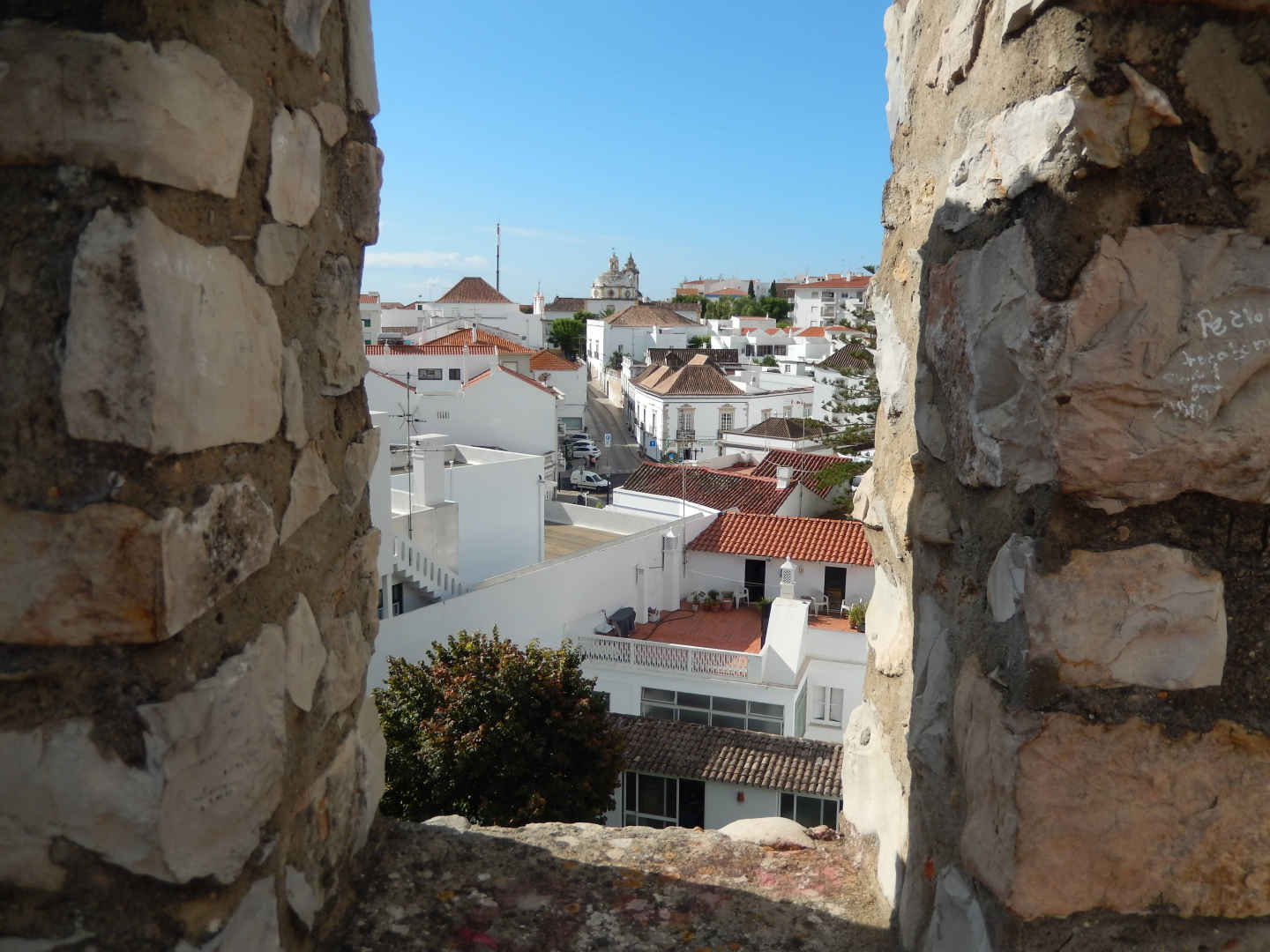
I visited the ruins of Tavira Castle, a small hilltop site with views across the town and surrounding countryside. The gardens inside the walls are quiet and easy to walk through, making it a natural place to pause rather than a major attraction to plan around.
The site reflects the town’s layered history, with Moorish origins and later Christian additions – but the main reason to come here is the vantage point over Tavira’s rooftops.
Book your place on a guided tour of Tavira’s historic centre including Tavira Castle here.
Optional: Rooftop yoga class
I took a rooftop yoga class at Áshrama Tavira. This peaceful, low-key session reflects the kind of place Tavira is: more about slowing down than filling your schedule. Classes are available on a drop-in basis, so it’s not something you need to plan in advance.
The best beaches in Tavira
The beaches in Tavira are set on barrier islands within the Ria Formosa, which means they feel more open and less built-up than much of the Algarve. Reaching them requires a short ferry or train crossing, but helps to keep them quieter.
Ilha de Tavira
I took the short ferry from Tavira to Ilha de Tavira, which runs through the lagoons of the Ria Formosa. The crossing is quick and straightforward, and you arrive at a long, sandy beach with plenty of space.
The water here is generally calmer than the Atlantic-facing beaches further west, and the scale of the beach means it rarely feels crowded. It’s the easiest option from Tavira and works well for a relaxed beach day.
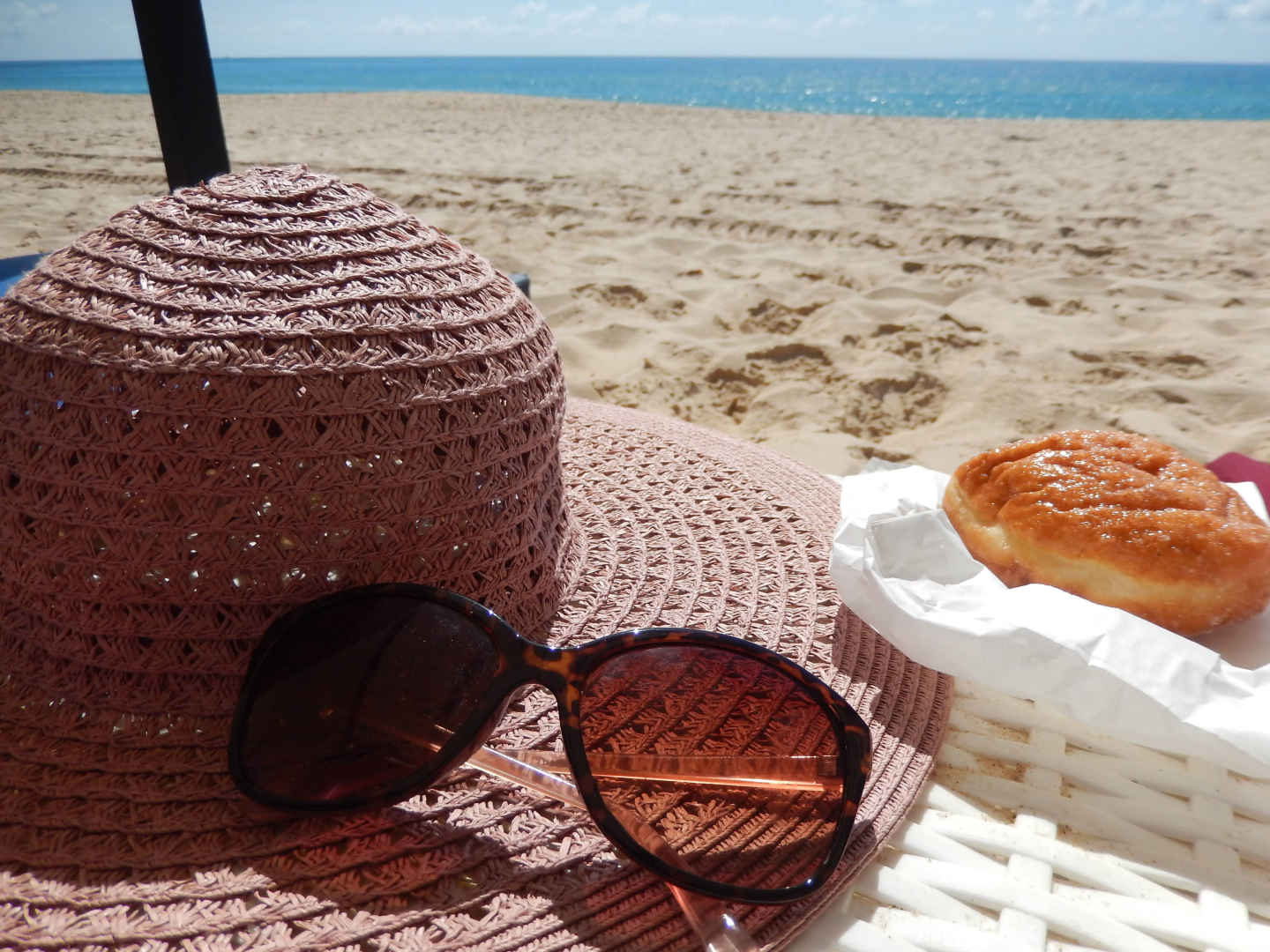
For added comfort, you can rent a sun lounger, or grab a drink and snack from Xiri Beach Bar. When I was there, there was also a beach vendor selling bolinhas (Portuguese doughnuts).
Praia do Barril
Praia do Barril sits further west and is reached either by walking or taking a small train across the lagoon. The beach itself is wide and open, with a similar feel to Ilha de Tavira but slightly more removed.
Just before the beach, you pass the “anchor cemetery” – a line of rusting anchors that reflects the area’s tuna fishing past.
What to do in Tavira at night
Evenings in Tavira are low-key. Most nights centre around a walk through the historic centre, crossing the bridge over the Gilão River, and stopping for dinner or a drink.
There are occasional fado performances and a small number of cocktail bars, but this isn’t a place for late nights or a busy nightlife scene. Most places wind down relatively early, and the atmosphere stays calm.
Where to eat in Tavira
Food in Tavira tends to be simple and local, with a focus on small, family-run restaurants rather than a big dining scene.
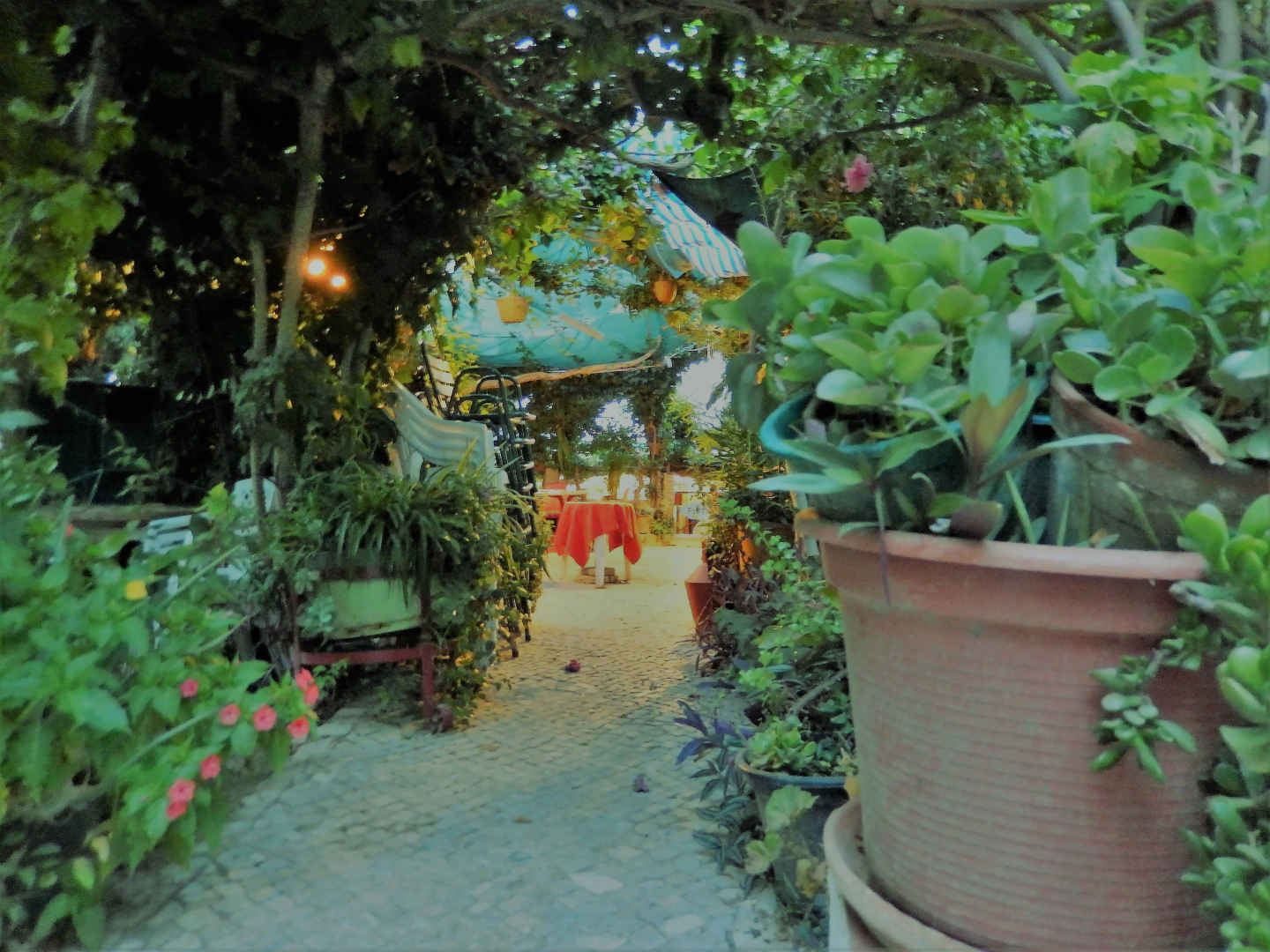
I ate at Restaurante Jorge & Lia, which has been run by the same couple for decades. It’s hidden in a garden restaurant off a quiet street. It’s a good example of what Tavira does well – home-cooked food in a relaxed setting.
Where to stay in Tavira
Stay in the historic centre, close to the river. This keeps everything within walking distance, including restaurants, the bridge, and the ferry to Ilha de Tavira.
I stayed centrally and found it easy to move around on foot, including in the evenings. Tavira is compact, so there’s little benefit to staying further out unless you’re specifically looking for a quieter, more residential setting.
Accommodation here tends to be small guesthouses and boutique-style stays rather than large hotels. The superb Tavira House is a boutique guesthouse in a beautifully restored building. Casa Beleza do Sul is another gorgeous restored townhouse with traditional azulejos tiles and stylish modern interiors.
If you prefer a hostel, try Hi Tavira – Pousada de Juventude which has single sex dorm rooms and is within easy walking distance of the town centre.
Check out the latest accommodation deals for your dates in Tavira via the map below:
How to get to Tavira
Many people arrive in the Algarve via a flight to Faro. From there, the easiest way to get to Tavira is by train – it takes around 40 minutes, runs regularly and you’ll arrive within walking distance of the town centre. I took the train and found it straightforward.
You can also take a taxi or rideshare directly from Faro Airport, which is quicker but more expensive. Buses run between Faro and Tavira as well, but they’re slightly slower and less direct than the train. If you’re on a road trip around the Algarve, driving to Tavira takes around 30 minutes from Faro.
The best time to visit Tavira, Portugal
Tavira works best in the warmer months, from late spring to early autumn, when the ferry to the island beaches is running regularly and the town has more energy.
I visited in August, when temperatures were high and the evenings stayed warm. It’s a good time for the beaches, but also the busiest period.
If you want a similar experience with fewer people, early summer and September are easier. Outside of this period, Tavira is much quieter, which can work if you’re looking for a slower trip, but beach access may be limited.
Frequently asked questions about what to do in Tavira
Is it better to stay in Faro or Tavira?
It depends on your priorities. Faro works well as a transport hub and has a busier city feel, which suits trips where you’re moving around the Algarve. Tavira is slower and more contained, making it a better choice if you want to settle into one place for a few days.
Which is the prettiest town in the Algarve?
Tavira makes a strong case. Its river setting, central bridge, tiled facades, and Moorish rooflines give it a more consistent feel than many other towns. That said, prettiness is subjective — some places offer more dramatic scenery, while Tavira’s appeal is quieter.
How long should you spend in Tavira?
Three to four days is enough to see the town properly, visit both main beaches and move at a relaxed pace. Two days is manageable if you’re passing through as part of a wider Algarve trip, but you’ll feel slightly rushed getting out to the barrier island beaches and back.
What day is Tavira market?
The Mercado da Ribeira runs daily in the covered market building near the river. A larger Saturday market takes place just outside the centre.
Is Tavira expensive?
Tavira is generally more affordable than the western Algarve. Accommodation, food and day-to-day costs are lower, and most sights are free or inexpensive.
What is there to do in Tavira when it rains?
The Camera Obscura in Tavira Tower is a good option on a rainy day – it’s cheap, unusual and takes around an hour. Beyond that, the covered Mercado da Ribeira is worth a wander, and there are a handful of small museums including the Tuna Museum, which reflects the town’s fishing heritage.
Is Tavira worth visiting? Final thoughts
Tavira is worth visiting if you want a slower, more traditional base in the Algarve with easy access to uncrowded beaches. It works best if you’re happy to keep things simple, like walking through the town and spending time at the beach.
If you’re after dramatic coastline, beach clubs and nightlife, it’s not worth the detour from Faro. In that case, you’re better off staying at the better known destinations in western Algarve.