Is Kuala Lumpur Worth Visiting as a Solo Traveller? (2026)
I first visited Kuala Lumpur as a solo traveller as part of my 3 week Malaysia trip and found it a manageable city to navigate alone. As well as its famous Petronas Towers (which I loved!), it has good transport links to other parts of the country. This is why I ended up using KL as a base and returning several times. Here’s an honest look at whether Kuala Lumpur is worth visiting, based on my personal experience as a solo traveller.

This post may contain affiliate links. That means, if you make a purchase, I may receive a small commission. As an Amazon Associate I earn from qualifying purchases. For more information, read my disclaimer.
Quick overview of Kuala Lumpur
- Kuala Lumpur is worth visiting for its iconic skyline and great street food
- You don’t need more than a couple of days here, but it’s a great base to explore the rest of the country
- There are great hostels where you can easily meet other solo travellers
- Stay in Bukit Bintang or Chinatown from where the main sights are within easy reach
- Don’t miss the Petronas Twin Towers, KL Tower and Chinatown’s Central Market
- The mystical Batu Caves is a unique day trip
Is Kuala Lumpur worth visiting as a solo traveller?
Yes, Kuala Lumpur is a lively metropolitan city that’s comfortable to stay in and get around. You’ll meet other solo travellers, especially if you stay in one of its excellent hostels. Its essential sights include the sparkling Petronas Towers and the Central Market.
I was worried I might not feel safe when I first arrived alone as a solo female traveller, but I found Kuala Lumpur was as a solo female traveller and I felt comfortable exploring the city. I recommend staying in one of its excellent hostels. The metro system is safe and efficient, and staying in popular areas like Bukit Bintang or Chinatown means you’ll always be around other travellers.
The city’s transport links make it a fantastic base to visit other parts of Malaysia. From KL I flew to Borneo, got the bus and boat to the Perhentian Islands and travelled to Penang and back with ease.
How many days do you need in Kuala Lumpur?
You only need a couple of days in Kuala Lumpur, though the hostel I stayed in was so comfortable I ended up staying longer. I loved discovering hidden street food markets where you can eat really well on a budget. There are also great day trips including to the mystical Batu Caves, which you can access by public transport.
Where to stay in central Kuala Lumpur
The best area to stay is the city centre, particularly around Bukit Bintang or Chinatown. These neighbourhoods put you close to major attractions, metro stations and great food options. Bukit Bintang is perfect for shopping and nightlife, while Chinatown is ideal for budget travellers looking for affordable accommodation and authentic street food.
A central backpackers hostel in Kuala Lumpur is Chinatown Hostel by Mingle, which has a rooftop jacuzzi. If you’re looking for a hotel, try The Kuala Lumpur Journal Hotel, a boutique hotel near Bukit Bintang.
Browse the latest accommodation deals for your dates in Kuala Lumpur via the map below:
How to get around Kuala Lumpur
Kuala Lumpur is easy to get around as the public transport is efficient and well-connected. MRT and LRT Trains are budget-friendly for visiting major attractions. Grab (a ride-hailing app) is a convenient and affordable alternative to taxis. Otherwise, getting a day pass for the hop-on hop-off sightseeing bus is a great way for first-time visitors to explore the key sights.
Things to do in Kuala Lumpur as a solo traveller
When I visited KL by myself, the attractions I liked the most were its towers, Chinatown and Central Market.
Visit the Petronas Twin Towers
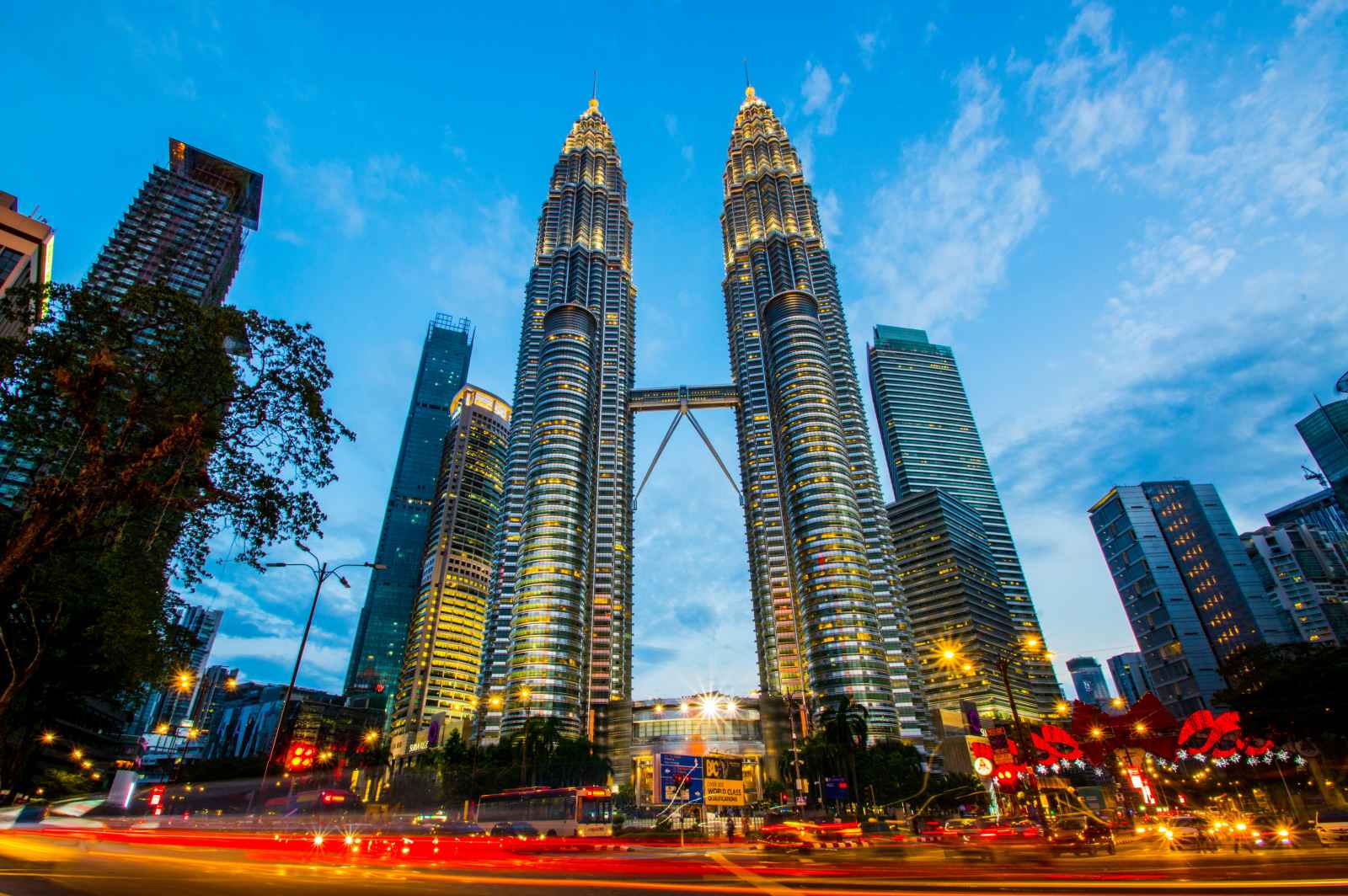
No Kuala Lumpur itinerary is complete without seeing the Petronas Twin Towers. These 452-metre-high twin skyscrapers dominate the skyline. Visiting them was a highlight when I first visited the city.
If you buy tickets to go inside, you can actually walk between the two towers, across what’s known the Skybridge, for stunning city views.
Impressive during the day, at night is where these towers come into their own. The statuesque twins light up and sparkle like two dazzling giant diamond earrings.

Get a 360 degree view from the top of the KL Tower
For an even higher viewpoint than the Petronas Towers, head to Menara Kuala Lumpur (KL Tower). This 421-metre-high communications tower offers panoramic views of the entire city.
A ride to the top of this tower gives you a panoramic view over your urban surroundings. From high up here, most of the other skyscrapers look small – it’s worth the trip.

See its newest tower: Merdeka 118
Close to Chinatown is a brand new tower, Merdeka 118. This stunning 118-storey skyscraper is almost 680 metres tall, making it the world’s second-tallest building. Its observation deck and mall are expected to open in the second half of 2026.
Chinatown
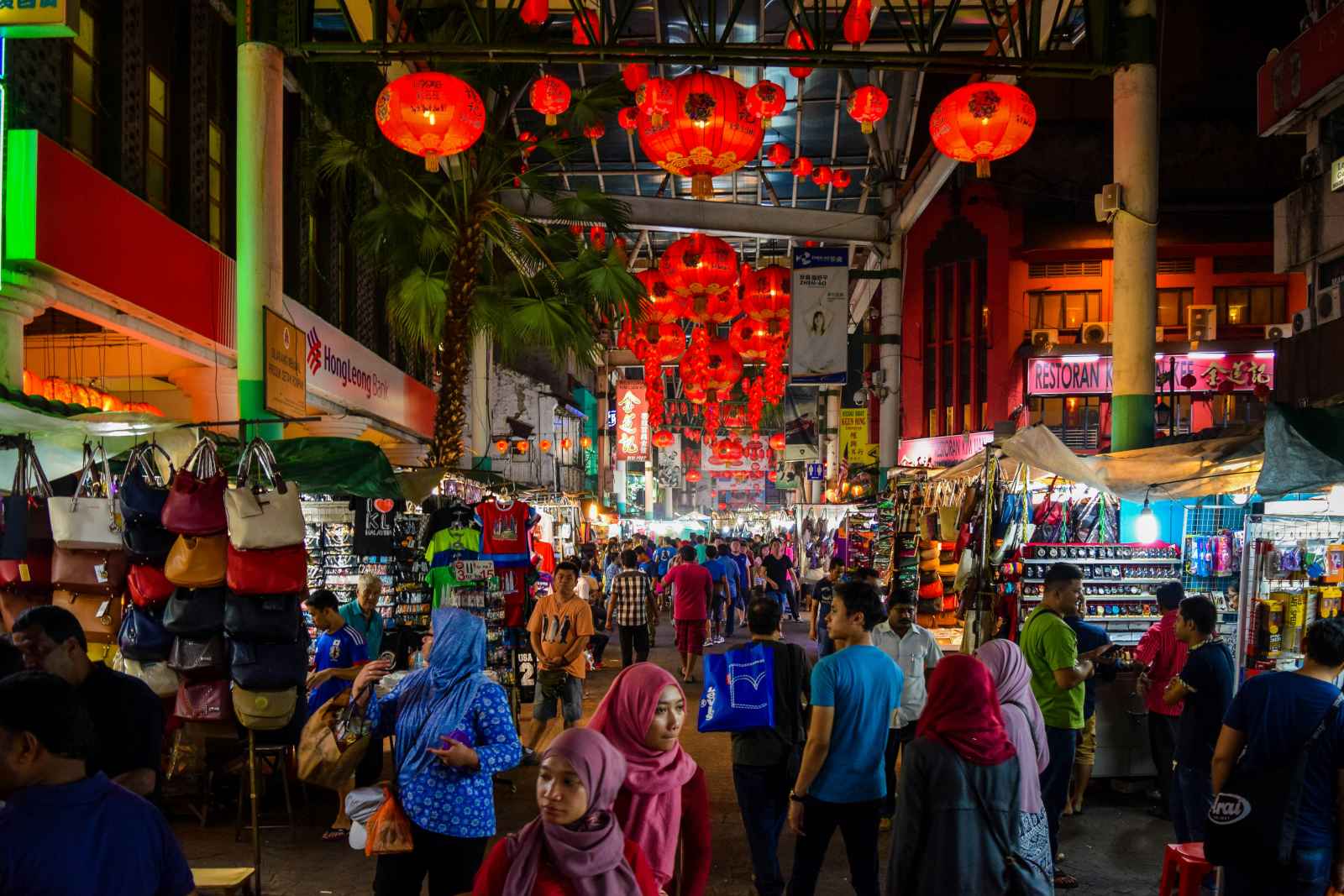
Petaling Street in KL’s Chinatown is famous for its street food and bargain shopping. I loved the stalls brazenly advertising “genuine fake Rolexes.”
Don’t miss out on the food here – the Chinatown street food stalls sell tasty dishes including char kway teow (stir-fried flat noodles) and the very tasty laksa (spicy noodle soup). For dessert, try cendol (shaved ice with coconut milk) or apam balik (Malaysian pancake).
Central Market
The large art deco Central Market building contains many eclectic stalls and boutiques selling handcrafted souvenirs and art. I bought a pretty dress and necklace here for very affordable prices.
Other markets in KL include Jalan Alor Night Market, which is a street food haven. Kampung Baru Night Market also serves authentic Malay dishes, while Taman Connaught Night Market is the largest weekly market in Kuala Lumpur.
Day trip from Kuala Lumpur: The Batu Caves
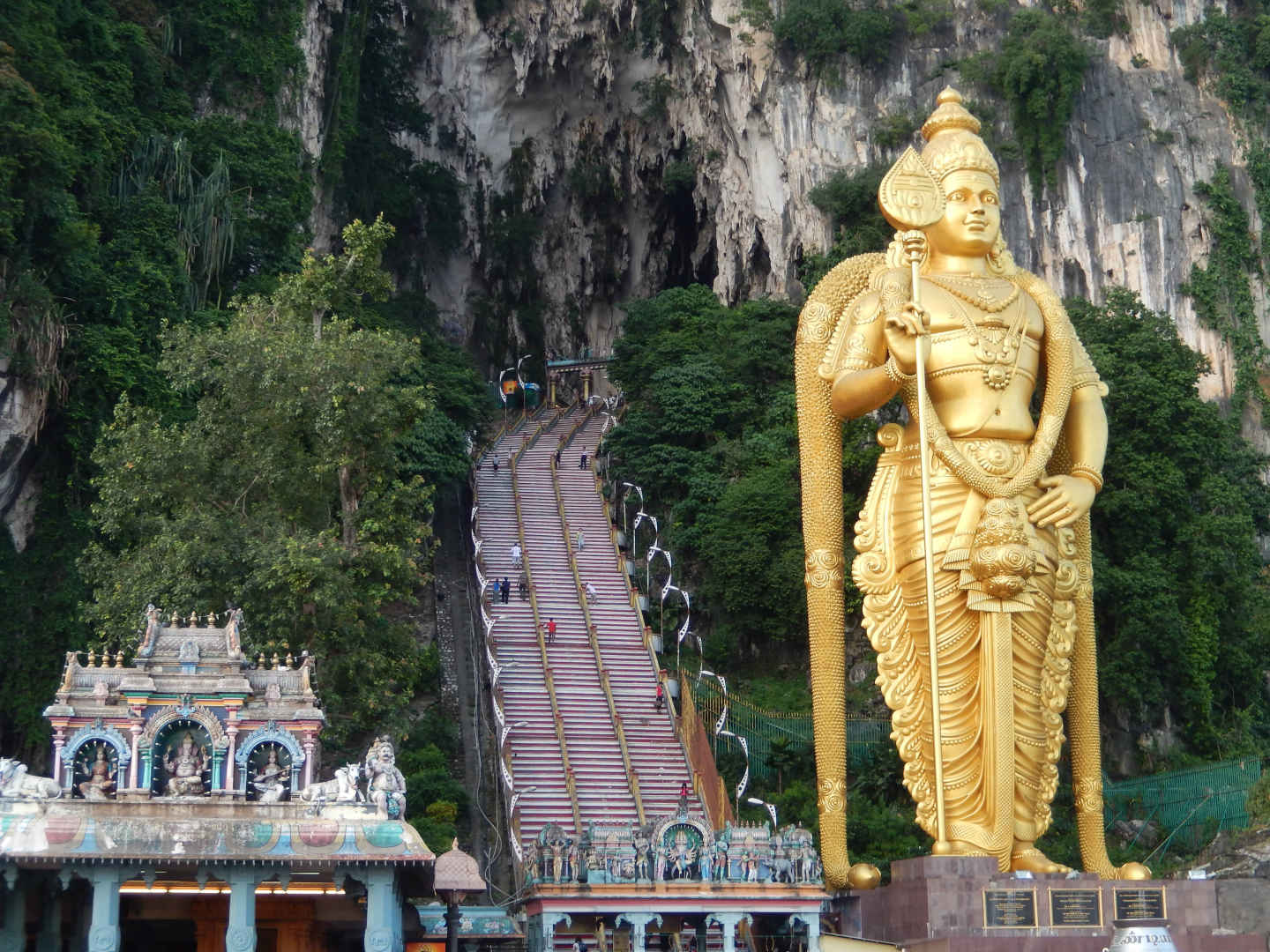
The legendary Batu Caves are a revered Hindu pilgrimage site. Just a 30-minute train ride from the city, this natural wonder features a colossal 42-metre-high gold statue of Lord Murugan and a dramatic flight of 272 rainbow-coloured steps leading to the main cave.
The Batu Caves formed naturally more than 400 million years. It’s a complex system of limestone caves with stalactites, stalagmites and inter-connected chambers. Temple Cave (Cathedral Cave) is the largest cave, while Dark Cave is a protected ecosystem with rare bats and rock formations.
At the end of the 19th century, the site was decorated and turned into a Hindu shrine dedicated to Lord Murugan. It’s now one of the most popular Hindu shrines outside of India.
My experience at the Batu Caves
During my first trip to KL a fellow traveller had described this 100-metre hill containing elaborately decorated Hindu cave temples as ‘alright’, so I wasn’t expecting much. (Perhaps this is the key to successful travel: low expectations).
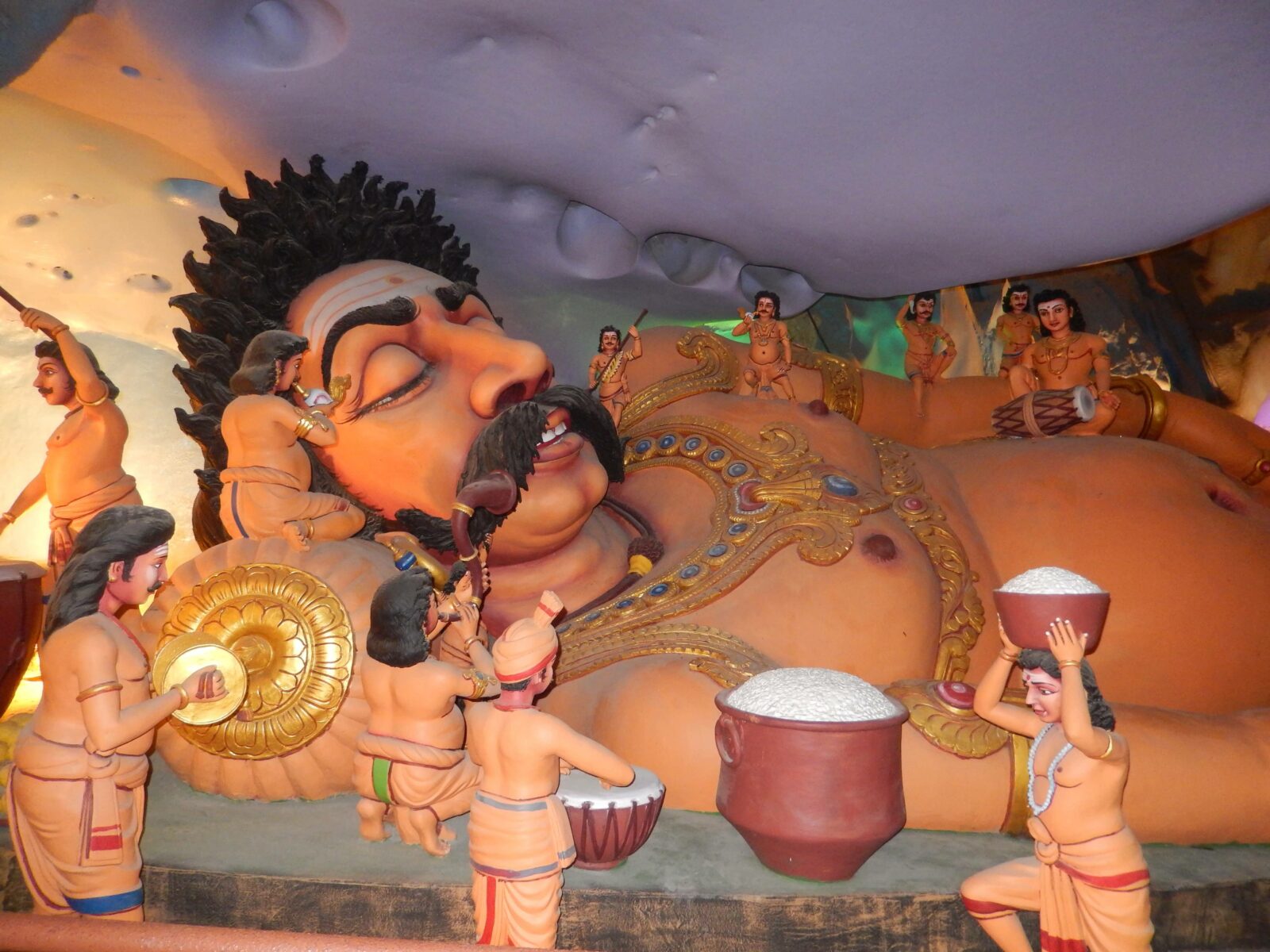
A 15-metre tall statue of a blue-skinned monkey god Hanuman welcomed us inside the Ramayana Cave, which tells the story of the Hindu epic through quirky statue displays. The combination of the colourful, cartoon-like exhibits and the dripping limestone walls was a feast for the eyes – certainly not something you see every day. We were happy to explore by ourselves but it would have been better if we’d booked a guided tour so we could understand what we were looking at.
While climbing the 272 steps past the huge gold statue of Lord Murugan to reach the entrance to the main Cathedral Cave, I saw signs asking visitors not to smoke or ‘exercise’. Meaning, I assume, that some people have chosen to run up and down these steep steps. Walking up them was quite enough for me!
Inside the cave, the high ceilings and holy shrines are indeed like being in a cathedral. It all seemed a little half-finished to me, though we did arrive right at the end of the day so perhaps some elements had shut down. Nearby is the entrance to the ominous sounding Dark Caves, which sadly we did not have time to explore.
I enjoyed visiting this ancient limestone hill with its craggy, tree-covered cliffs and monkeys hopping about. The fresh air was a relief after the city’s humidity.

Experience Kuala Lumpur’s mega shopping malls
Kuala Lumpur is famous for its mega shopping malls. Even if you don’t plan to buy anything, it’s worth visiting some of these futuristic shopping hubs.
The top shopping malls in Kuala Lumpur include Pavilion KL which retails luxury brands and has the best food court, while Mid Valley Megamall is great for budget shopping.
At 203 m (666 ft) tall, the 48-storey Berjaya Times Square is the city’s largest shopping mall, described as a ‘paradise for shoppers’. It also contains a hotel, apartments and even an indoor amusement park. To celebrate the mall’s 10th anniversary, its owners installed the world’s largest capsule vending machine – see my photo below.

What to eat in Kuala Lumpur
A highlight of going to Malaysia is definitely the food. Must-try dishes includes satay skewers (my favourite: marinated chicken with a delicious peanut sauce), nasi lemak (coconut rice with sambal, anchovies and peanuts) and roti canai (flaky flatbread with curry).
If you’re feeling adventurous, there’s also durian – see my photo below. This famously pungent fruit is hugely popular in Malaysia and it has an unusual taste. Worth tasting at least once!

The best time to visit Kuala Lumpur
Kuala Lumpur is warm and humid year-round. There’s a chance of occasional afternoon showers whenever you go, but from May to July and December to February, there’s generally less rainfall. I went in April and the weather was comfortable, though when I returned in July it was too hot and humid for my liking.
Final thoughts on Kuala Lumpur for solo travellers
I wouldn’t say Kuala Lumpur is a place you fall in love with as such (at least not for me), but it crept up on me how much I liked it. The ease of getting around, the tasty and affordable street food, and the way the Petronas Towers glitter and sparkle at night, peeking through the buildings as you make your way back to your hostel.
It’s a sociable city with a great food scene and nightlife. I even spent a birthday here, celebrating it with new solo traveller friends with cocktails at the SkyBar on top of the Traders Hotel.
I found myself returning to KL again and again, as it became my homebase in Malaysia. Kuala Lumpur has a way of making solo travel feel effortless.